Overview
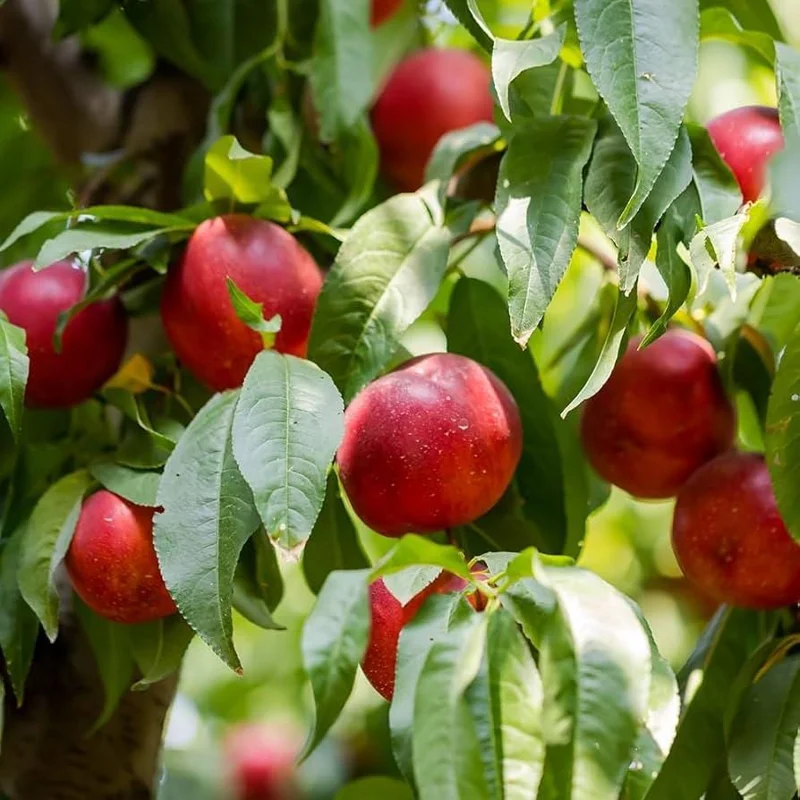
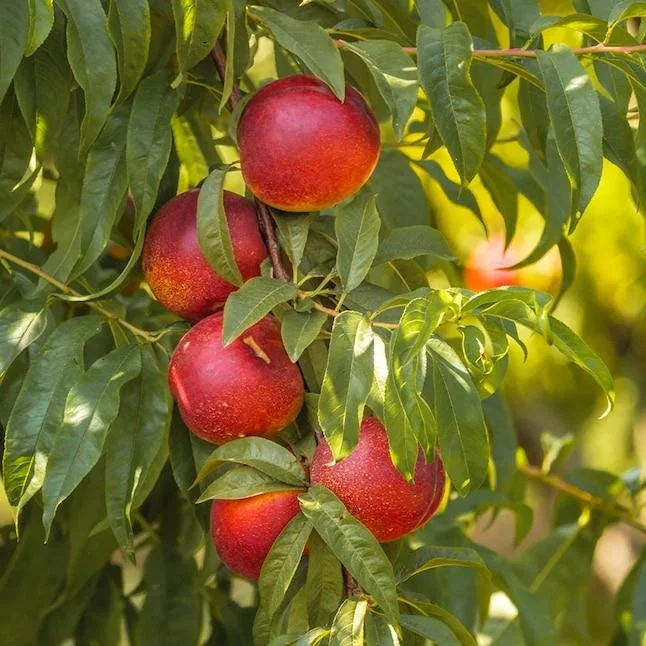
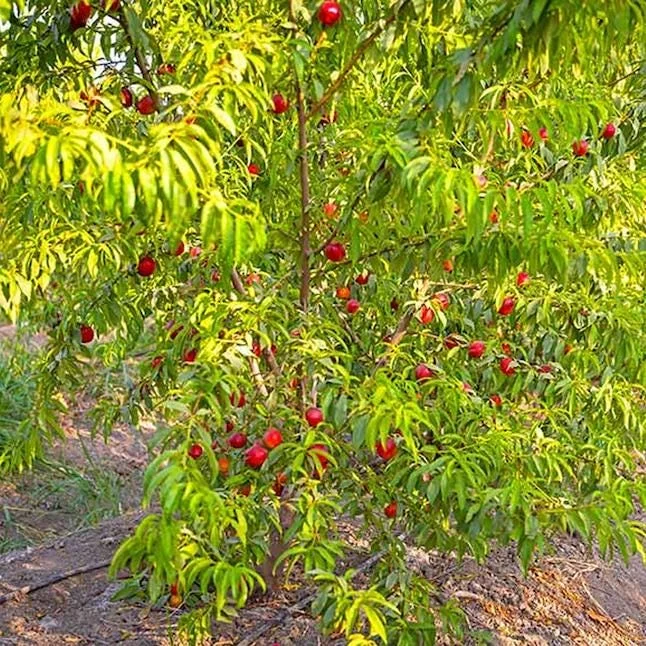
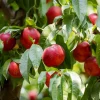
Cultivate your own orchard with the exceptional SunBest Nectarine Tree live plant. This vigorous Prunus persica variety is renowned for its abundant yields of crisp, aromatic fruit, making it a perfect addition to any home garden. The ‘SunBest’ nectarine is celebrated for its smooth skin and exceptional sweetness, offering a delightful experience whether enjoyed fresh from the branch or incorporated into various desserts. As a live plant, it arrives ready to be transplanted into your garden, providing a head start on growing your own delicious, homegrown fruit. Experience the joy of harvesting your own sweet, yellow-fleshed nectarines with this reliable and productive fruit tree.
The SunBest Nectarine Tree live plant is an excellent choice for both experienced gardeners and those new to fruit cultivation. Its robust nature and desirable fruit characteristics make it a standout. This particular nectarine variety, often searched for by those interested in growing nectarine trees, brings a taste of summer directly to your backyard, ensuring a fresh and healthy treat for the entire family.
Key Benefits
The SunBest Nectarine Tree live plant offers a multitude of advantages for the home gardener, promising both ease of care and delicious rewards. Discover why this fruit tree is a must-have for your landscape:
-
Exceptional Fruit Quality: Enjoy abundant harvests of large, firm nectarines with intensely sweet, juicy yellow flesh. These fruits are ideal for fresh eating, canning, baking, or making jams and preserves, offering versatile culinary uses. The superior taste makes it a favorite among nectarine enthusiasts.
-
Early Harvest: This variety is known for producing fruit earlier than many other nectarine types. This means you can enjoy your sweet bounty sooner in the season, extending your fresh fruit enjoyment and providing an early taste of summer’s sweetness.
-
Self-Pollinating: The ‘SunBest’ is a self-pollinating fruit tree, eliminating the need to plant a second nectarine tree for fruit production. This makes it an ideal choice for smaller gardens or for those who wish to grow only one fruit tree, simplifying the planting process and ensuring a successful yield.
-
Vigorous Growth: The SunBest Nectarine Tree live plant is a strong grower, establishing quickly and developing into a productive fruit-bearing tree. Its robust nature contributes to its reliability and consistent performance in various garden settings, making growing nectarine trees a rewarding experience.
-
Disease Resistance: While not entirely immune, ‘SunBest’ exhibits good resistance to common nectarine diseases, reducing the need for extensive chemical treatments and making it easier to maintain a healthy tree. This contributes to a more organic and sustainable gardening practice.
-
Beautiful Ornamental Value: Beyond its delicious fruit, the nectarine tree offers ornamental beauty with its attractive foliage and delicate spring blossoms. These flowers not only herald the coming fruit but also add significant aesthetic appeal to your garden landscape.
Plant Care & Growing Tips
Caring for your SunBest Nectarine Tree live plant is straightforward, ensuring a bountiful harvest of delicious fruit. Understanding its specific needs will help it thrive in your garden. Nectarine trees, including this Prunus persica nectarine, generally prefer a sunny location and well-draining soil to perform their best. Proper care from planting through harvest will yield the sweetest results.
For optimal growth, plant your nectarine tree in a location that receives at least 6-8 hours of direct sunlight per day. Full sun is crucial for fruit development and sweetness. The soil should be well-draining, loamy, and rich in organic matter, with a pH between 6.0 and 7.0. If your soil is heavy clay, amend it with compost and sand to improve drainage. Water the tree regularly, especially during dry periods and when the fruit is developing. Aim for consistently moist, but not waterlogged, soil. Reduce watering as the fruit ripens to enhance sweetness. Fertilize in early spring with a balanced fruit tree fertilizer, following package instructions based on the tree’s age and size. Pruning is essential for fruit production and tree health; prune in late winter or early spring to remove dead or crossing branches, and to shape the tree for good air circulation and sunlight penetration. This maintenance is key to successfully growing nectarine trees.
Protect your SunBest Nectarine Tree live plant from pests and diseases by regularly inspecting the foliage and fruit. Common issues include peach leaf curl and brown rot, which can often be managed with preventative sprays or proper cultural practices. Ensure good air circulation through pruning to minimize fungal problems. In colder climates, consider protecting young trees from harsh winter winds. The ‘SunBest’ variety is known for its resilience, making it a relatively easy-to-grow option for those interested in a yellow flesh nectarine. With consistent care, your tree will reward you with years of delicious fruit.
Size & Details
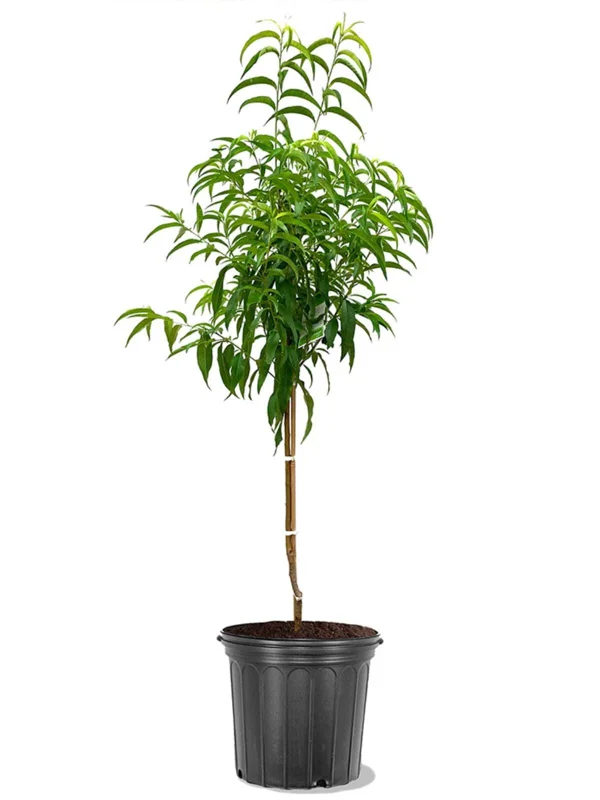
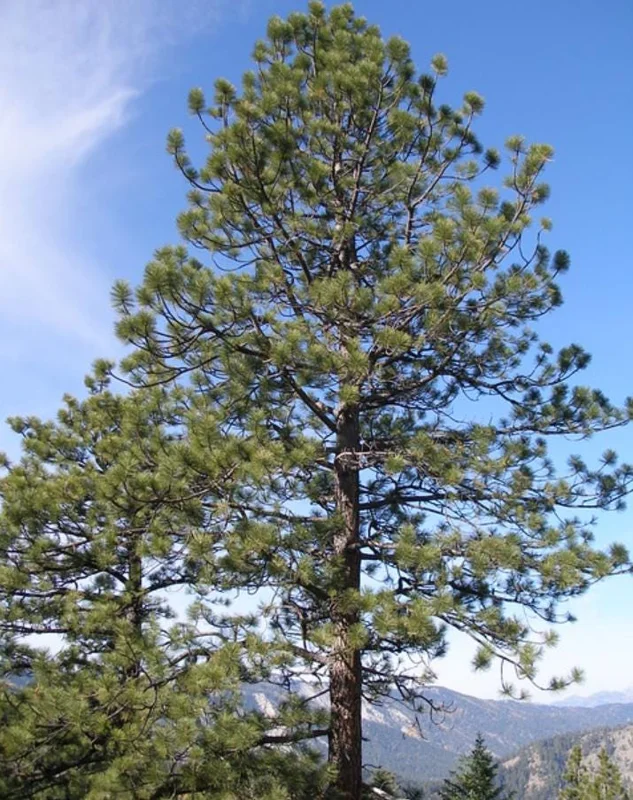
The SunBest Nectarine Tree live plant arrives as a robust specimen, typically standing 3-4 feet tall, making it an excellent size for immediate garden integration. It is supplied in a substantial 5-gallon nursery container, providing a well-established root system that aids in successful transplanting and quicker growth. This self-pollinating fruit tree is expected to begin producing fruit within 1-3 years of planting, with harvests typically occurring in early to mid-summer, earlier than many other nectarine varieties. While mature size can vary based on growing conditions and pruning, ‘SunBest’ nectarine trees generally reach heights of 12-15 feet with a similar spread. Its moderate growth rate allows for manageable care and shaping.
When you receive your SunBest Nectarine Tree live plant, it will be a healthy, actively growing specimen, ready to thrive in your garden. The 5-gallon pot provides ample space for root development, ensuring the tree is well-prepared for its new environment. Anticipate a productive tree that offers delicious, juicy yellow flesh nectarine fruits for many seasons to come. For those keen on growing nectarine trees, this size provides a significant head start.
Frequently Asked Questions
-
Q: How big does this plant get? A: The SunBest Nectarine Tree live plant typically grows to a mature height of 12-15 feet and can have a similar spread, depending on pruning and growing conditions. It arrives as a 3-4 ft tall plant.
-
Q: What size pot does it come in? A: This nectarine tree is shipped in a 5-gallon nursery container, providing a strong root system for successful planting.
-
Q: Is this an indoor or outdoor plant? A: The SunBest Nectarine Tree live plant is an outdoor fruit tree, requiring full sun and space to grow to its mature size for optimal fruit production.
-
Q: How much sunlight does it need? A: For the best fruit yield and health, this tree requires at least 6-8 hours of direct sunlight per day. Full sun is essential for developing sweet, flavorful nectarines.
-
Q: Is this plant easy to care for? A: Yes, the ‘SunBest’ nectarine is considered relatively easy to care for, especially due to its self-pollinating nature and good disease resistance, making growing nectarine trees accessible for many gardeners.
-
Q: What condition will it arrive in? A: Your SunBest Nectarine Tree live plant will arrive as a healthy, actively growing specimen, carefully packaged to ensure its safe transit and readiness for planting.
-
Q: Can I use this yellow flesh nectarine in cooking? A: Absolutely! The sweet, juicy yellow flesh of ‘SunBest’ nectarines is excellent for fresh eating, and also perfect for baking, canning, making preserves, or adding to salads and desserts.
-
Q: How long until it blooms and produces fruit? A: This tree typically begins to bloom in spring and can start producing fruit within 1-3 years of planting. ‘SunBest’ is known for its early harvest, usually in early to mid-summer.
-
Q: When is the best time to plant? A: The ideal time to plant your SunBest Nectarine Tree live plant is in early spring or fall, allowing the roots to establish before extreme temperatures.
-
Q: Will it survive winter in my zone? A: Nectarine trees generally thrive in USDA Hardiness Zones 5-9. Ensure your local hardiness zone is suitable for nectarine cultivation for optimal winter survival.


Reviews
There are no reviews yet.