Overview
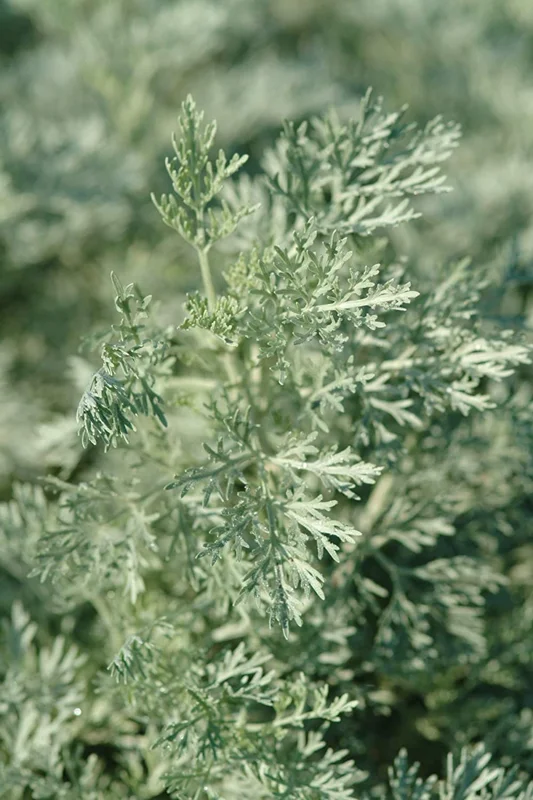
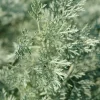
Introduce a touch of historical charm and traditional utility to your garden with the exquisite wormwood herb live plant. This captivating perennial, scientifically known as Artemisia absinthium, is celebrated for its striking, finely dissected, silvery-green foliage and aromatic properties. Our robust wormwood herb live plant stands approximately 1 foot tall and is carefully cultivated in a 6-inch pot, ensuring it arrives healthy and ready to thrive in your chosen location. Revered for centuries, wormwood has a rich history of use in various cultures, from traditional remedies to flavoring agents. Its distinctive appearance makes it a beautiful ornamental, while its robust nature ensures it’s a resilient addition to any herb garden or landscape.
The wormwood herb live plant is an excellent choice for gardeners seeking a plant with both aesthetic appeal and practical applications. Its unique texture and color provide a lovely contrast against other greenery, creating visual interest in borders, rock gardens, or container arrangements. Beyond its beauty, Artemisia absinthium is known for its strong, bitter aroma and has been historically utilized for its potential medicinal properties and as an ingredient in certain beverages. This hardy plant is relatively low maintenance, making it suitable for both novice and experienced gardeners looking to expand their botanical collection with a plant of significant heritage.
Key Benefits
The wormwood herb live plant offers a multitude of benefits, from its unique aesthetic to its traditional uses, making it a valuable addition to any garden or home. Its striking appearance and historical significance are just a few reasons to consider growing this remarkable herb.
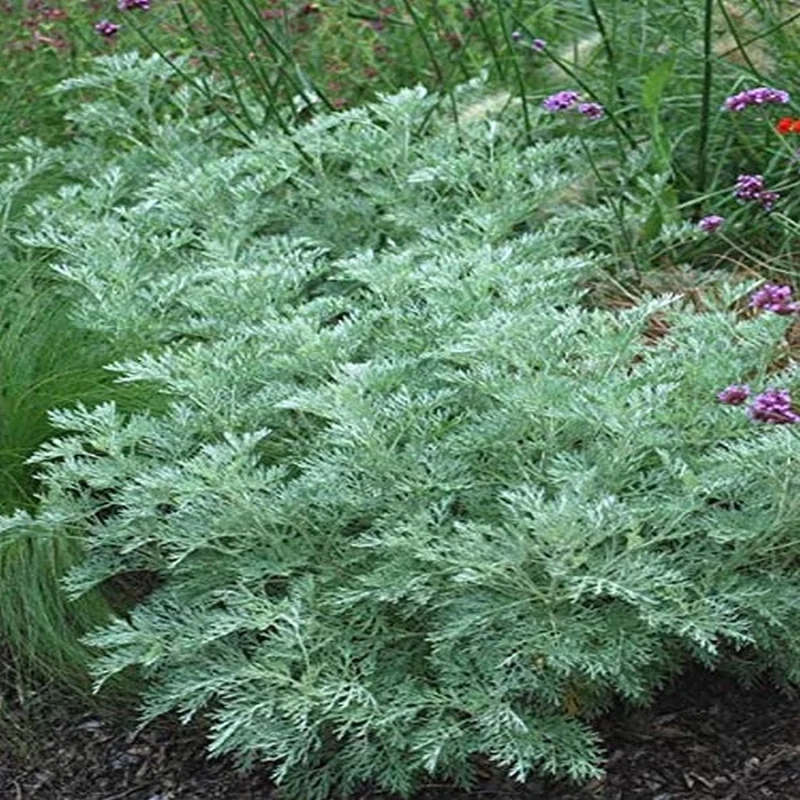
- Distinctive Foliage: The silvery-green, deeply lobed leaves of the wormwood herb live plant provide an elegant and contrasting texture to garden beds, enhancing visual appeal. Its unique color can brighten up darker areas and complement flowering plants.
- Aromatic Qualities: Wormwood possesses a strong, characteristic aroma that can deter certain pests, making it a useful companion plant in the garden. The scent is also part of its historical appeal and traditional uses.
- Traditional Medicinal Uses: Historically, medicinal wormwood plant has been employed in various traditional remedies for digestive issues, as an anti-parasitic, and for its anti-inflammatory properties. While modern scientific research is ongoing, its historical use is well-documented.
- Drought Tolerant: Once established, Artemisia absinthium is remarkably resilient and can withstand periods of drought, reducing the need for frequent watering and making wormwood plant care relatively low-effort.
- Low Maintenance: This hardy perennial thrives with minimal intervention, making it an excellent choice for busy gardeners or those new to gardening. It generally requires little more than occasional watering and pruning to maintain its shape.
- Versatile Landscaping Plant: Due to its unique appearance and hardiness, wormwood can be used in various garden styles, including cottage gardens, xeriscaping, and herb gardens. It adds a touch of old-world charm wherever it’s placed.
- Companion Planting: Some gardeners use wormwood as a companion plant to deter certain garden pests, leveraging its strong aroma to protect nearby vegetables and flowers.
Plant Care & Growing Tips
Successfully growing wormwood, or Artemisia absinthium, is relatively straightforward, as this plant is known for its hardiness and adaptability. To ensure your wormwood herb live plant thrives, understanding its basic needs for sunlight, water, and soil is crucial. Wormwood prefers a location that receives full sun, meaning at least 6-8 hours of direct sunlight per day. While it can tolerate some partial shade, too little light can lead to leggy growth and less vibrant foliage. For outdoor planting, choose a spot with good air circulation to prevent fungal issues.
When it comes to watering, wormwood is quite drought-tolerant once established. It’s essential to allow the soil to dry out completely between waterings to prevent root rot. Overwatering is a common mistake that can significantly harm this plant. During hot, dry spells, you may need to water more frequently, but always check the soil moisture first. Well-draining soil is paramount for this plant’s health. A sandy or gravelly loam with a neutral to slightly alkaline pH is ideal. If your soil is heavy clay, amend it with sand or grit to improve drainage. Good drainage is key to preventing the roots from sitting in excessive moisture.
The wormwood herb live plant is quite resilient and generally doesn’t require heavy fertilization. A light application of a balanced, all-purpose fertilizer in the spring can be beneficial, but avoid over-fertilizing, which can lead to lush growth at the expense of its characteristic aroma and hardiness. Pruning is important for maintaining the plant’s shape and promoting bushier growth. You can lightly prune in early spring to encourage new growth and again after flowering to keep it tidy. In colder climates, wormwood is generally grown as an annual or may die back to the ground, returning in spring. In warmer regions, it can remain evergreen. Understanding these aspects of wormwood plant care will lead to a healthy and vigorous plant.
Size & Details
Each wormwood herb live plant is carefully nurtured to reach an impressive height of approximately 1 foot tall upon shipment. It is delivered in a sturdy 6-inch nursery pot, providing a healthy root system ready for transplantation into your garden or a larger container. The plant exhibits a moderate growth rate, quickly establishing itself in suitable conditions. With proper wormwood plant care, it can typically reach a mature height of 2-4 feet and spread 1-3 feet wide, forming an attractive, bushy mound of silvery-green foliage. The plant’s mature size can vary depending on growing conditions, climate, and pruning practices. It typically flowers in mid to late summer, producing small, yellowish, inconspicuous blooms.
Frequently Asked Questions
- Q: How big does this plant get? A: This wormwood herb live plant ships at about 1 foot tall. With good care, it can grow to a mature height of 2-4 feet tall and spread 1-3 feet wide, forming a dense, aromatic bush.
- Q: What size pot does it come in? A: Your wormwood herb live plant will arrive securely planted in a 6-inch nursery pot, providing ample space for its root system and ensuring a healthy start.
- Q: Is this an indoor or outdoor plant? A: While it can be grown outdoors in USDA zones 4-9, wormwood is primarily an outdoor plant that thrives in full sun. It can be grown indoors in a very sunny window, but outdoor conditions are generally preferred for optimal growth and vigor.
- Q: How much sunlight does it need? A: The wormwood herb live plant requires full sun exposure, meaning at least 6 to 8 hours of direct sunlight per day, for best growth and foliage color.
- Q: Is this plant easy to care for? A: Yes, growing wormwood is considered relatively easy. It’s a hardy, drought-tolerant perennial that thrives with minimal intervention once established, making wormwood plant care suitable for gardeners of all experience levels.
- Q: What condition will it arrive in? A: Your wormwood herb live plant will be carefully packaged and shipped in its 6-inch pot, ensuring it arrives healthy, vibrant, and ready for planting.
- Q: Can I use this plant for medicinal purposes? A: The medicinal wormwood plant has a long history of traditional use. However, it’s crucial to consult with a healthcare professional before using any herb for medicinal purposes, as improper use can be harmful.
- Q: When is the best time to plant wormwood? A: The best time for growing wormwood is in the spring after the last frost, or in early fall in warmer climates. This allows the plant to establish its root system before extreme temperatures.
- Q: What’s the minimum temperature this plant can tolerate? A: Wormwood is quite cold-hardy, typically tolerating temperatures down to USDA Zone 4, which means it can withstand winter temperatures as low as -30°F to -20°F when planted outdoors.
- Q: Is wormwood deer resistant? A: Due to its strong aroma and bitter taste, artemisia absinthium plant is generally considered deer and rabbit resistant, making it a good choice for gardens prone to herbivore visits.



Reviews
There are no reviews yet.