Overview
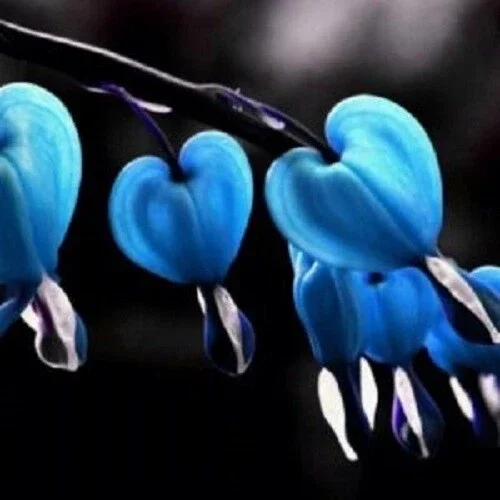
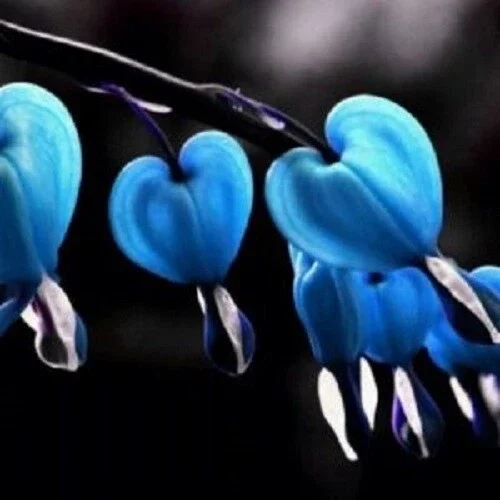
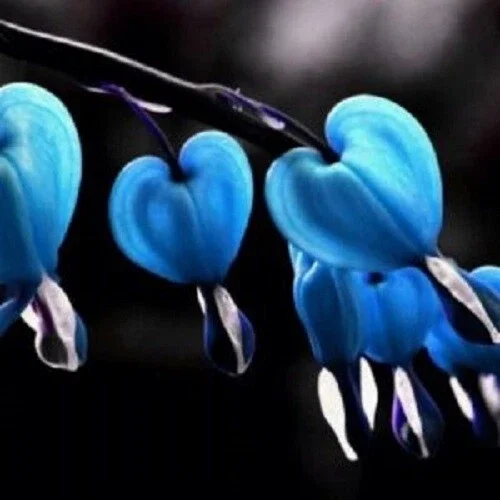
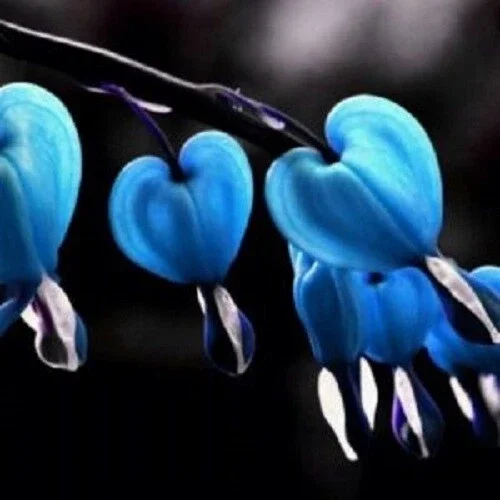
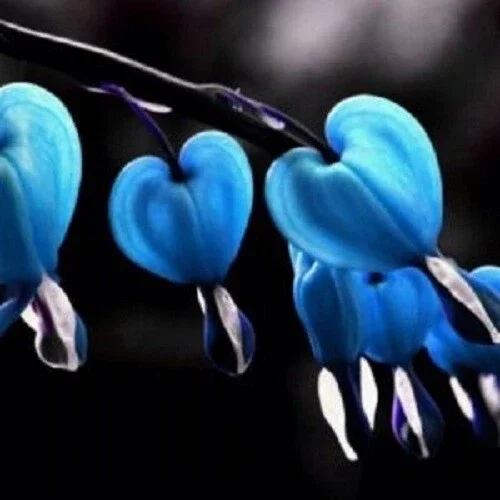
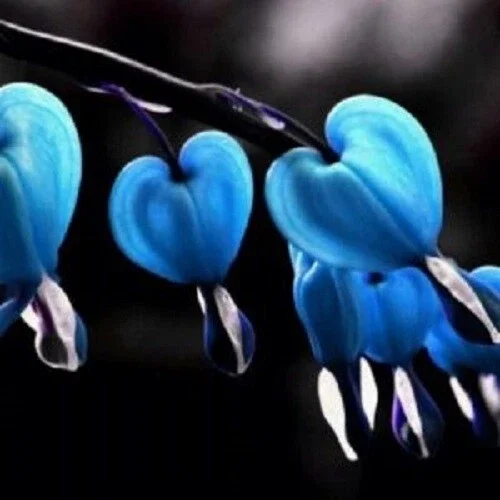
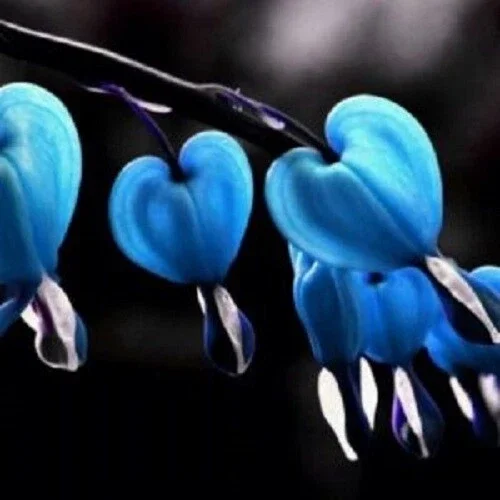
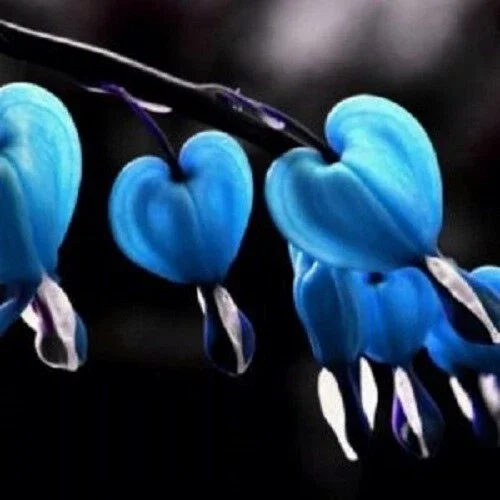
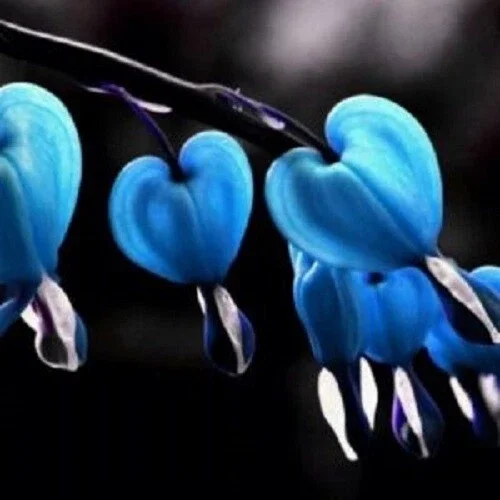
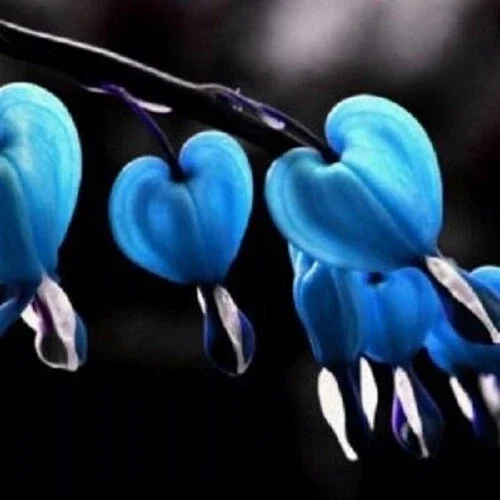
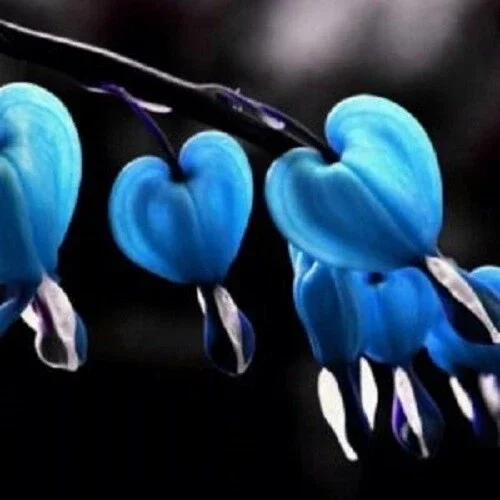
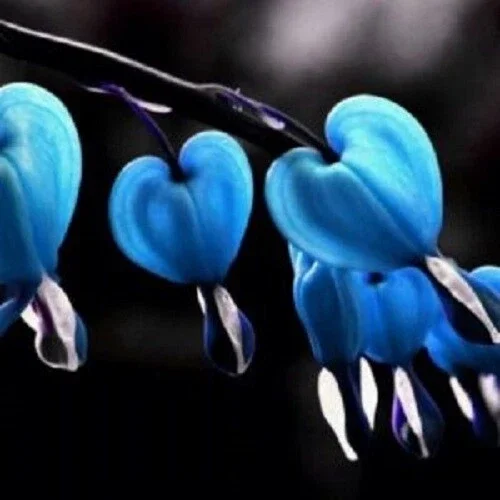
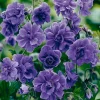
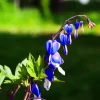
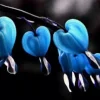
Embark on a delightful gardening journey with these exquisite blue bleeding heart seeds. This packet contains 25 high-quality seeds, ready to transform your garden into a whimsical haven. Blue Bleeding Hearts, scientifically known as Dicentra spectabilis, are beloved for their distinctive, heart-shaped flowers that dangle gracefully from arching stems. These perennial beauties are a true spectacle, offering a unique splash of color and elegance to any landscape. Ideal for shaded borders, woodland gardens, or as a charming accent under trees, blue bleeding hearts are surprisingly easy to grow from seed, making them a rewarding choice for both novice and experienced gardeners. Prepare to be enchanted by their delicate appearance and long-lasting bloom.
Growing blue bleeding heart seeds allows you to cultivate these enchanting flowers from their very beginning. They are a fantastic addition to any garden seeking a touch of old-fashioned charm and reliable performance year after year. The mesmerizing blue hues of these blooms are rare and captivating, providing a serene and picturesque display. By starting with perennial flower seeds, you are investing in a garden that will return season after season, offering continuous beauty with minimal effort once established. These seeds promise a vibrant and enduring presence in your outdoor space, creating a focal point that will draw admiration.
Key Benefits
Cultivating blue bleeding heart seeds offers a multitude of benefits for your garden and your soul. These flowers are not only visually stunning but also bring a sense of tranquility and natural elegance. Here are some of the key advantages:
- Unique Aesthetic Appeal: The most striking feature of the blue bleeding heart is its truly unique, heart-shaped flowers. These delicate, pendulous blooms add an unparalleled whimsical charm and visual interest to any garden setting, making them a conversation starter.
- Shade Garden Performer: Unlike many flowering plants that demand full sun, blue bleeding heart seeds thrive in partial to full shade. This makes them an ideal choice for illuminating those often-challenging, darker corners of your garden where other flowers might struggle.
- Long-Lasting Perennial: As perennial flower seeds, these plants will return year after year, growing larger and more robust with each passing season. This provides a sustainable and low-maintenance solution for continuous garden beauty without the need for annual replanting.
- Low Maintenance: Once established, blue bleeding hearts require minimal care. They are relatively pest-free and disease-resistant, making them a hassle-free addition to your garden, allowing you more time to enjoy their beauty.
- Attracts Pollinators: While subtle, the flowers can attract early spring pollinators like bees and hummingbirds, contributing to the biodiversity and health of your garden ecosystem.
- Versatile Use: Perfect for woodland gardens, shady borders, mass plantings, or as a specimen plant, these flowers offer flexibility in garden design. Their elegant form also makes them excellent for cut flower arrangements.
- Early Spring Blooms: Blue bleeding hearts are among the first plants to bloom in spring, offering a much-needed splash of color and life after the long winter months, signaling the start of the gardening season.
Plant Care & Growing Tips
Successful cultivation of blue bleeding heart seeds begins with understanding their specific needs. These plants prefer cool, moist conditions, mimicking their natural woodland habitat. For optimal germination, it’s often recommended to cold stratify the seeds for several weeks before planting. This can be done by placing them in a damp paper towel inside a sealed plastic bag in the refrigerator. Once stratified, sow the seeds shallowly in a well-draining, humus-rich soil mix.
When establishing your bleeding heart plant care routine, focus on consistent moisture and proper light. Blue bleeding hearts thrive in partial to full shade. Avoid direct afternoon sun, which can scorch their delicate foliage. The soil should remain consistently moist but never waterlogged. A good layer of organic mulch around the base of the plant will help retain soil moisture and keep the roots cool. Fertilize sparingly in early spring with a balanced, slow-release granular fertilizer or a liquid feed at half strength. These plants are generally hardy in USDA zones 3-9, tolerating cold winters and developing a robust root system over time. Watch out for slugs and snails in damp conditions, and ensure good air circulation to prevent fungal issues. Understanding these nuances will help your Dicentra spectabilis seeds flourish into magnificent plants.
Size & Details
This offering includes 25 blue bleeding heart seeds, providing ample opportunity to cultivate a beautiful display. Once mature, blue bleeding heart plants typically grow to a height of 2 to 3 feet (60-90 cm) and spread about 1.5 to 2.5 feet (45-75 cm) wide, forming an elegant, mounding habit. The charming heart-shaped flowers, approximately 1 inch (2.5 cm) long, emerge in clusters along arching stems. These plants are known for their relatively fast growth once germination occurs, often reaching a significant size within their first few seasons. Blooms typically appear in early to mid-spring and can last for several weeks, creating a stunning visual impact. The foliage, a delicate blue-green, adds texture and interest to the garden even when the plant is not in bloom. Expect these perennial flower seeds to establish a strong root system, ensuring their return and growth for many years.
Frequently Asked Questions
- Q: How many blue bleeding heart seeds are included in this packet? A: This packet contains 25 blue bleeding heart seeds, providing a generous quantity for starting your garden. This allows for multiple plantings or sharing with fellow gardening enthusiasts.
- Q: What are the ideal light conditions for growing bleeding hearts? A: Blue bleeding hearts prefer partial to full shade. They thrive in areas that receive morning sun and afternoon shade, or dappled light throughout the day. Direct, harsh afternoon sun should be avoided to prevent leaf scorch.
- Q: Is cold stratification necessary for these seeds? A: Yes, cold stratification is generally recommended for Dicentra spectabilis seeds to break dormancy and improve germination rates. This mimics the natural winter conditions the seeds experience.
- Q: How tall do blue bleeding heart plants typically grow? A: These plants usually reach a height of 2 to 3 feet (60-90 cm) and a similar spread, creating a beautiful, substantial presence in the garden. Their size makes them suitable for various garden placements.
- Q: When is the best time to plant these perennial flower seeds? A: After cold stratification, the best time to sow the seeds is in early spring, once the danger of hard frost has passed. This allows the seedlings to establish themselves before the summer heat.
- Q: What kind of soil do blue bleeding hearts prefer? A: They thrive in rich, humus-filled, well-draining soil that retains moisture. Amending your garden soil with compost or other organic matter will greatly benefit their growth and health.
- Q: Are these plants considered low maintenance? A: Once established, bleeding heart plant care is relatively low maintenance. They require consistent moisture and protection from harsh sun, but are otherwise quite resilient and self-sufficient.
- Q: Will these blue bleeding heart seeds return every year? A: Yes, as perennial plants, blue bleeding hearts will return year after year, often growing larger and producing more blooms as they mature. They are a long-term investment for your garden.
- Q: Are blue bleeding hearts suitable for container gardening? A: While they prefer to be in the ground, blue bleeding hearts can be grown in large containers, provided they have adequate drainage, consistent moisture, and are placed in a shaded location.
- Q: What USDA hardiness zones are suitable for blue bleeding hearts? A: Blue bleeding hearts are generally hardy in USDA Zones 3-9, meaning they can tolerate a wide range of winter temperatures and climates.



Reviews
There are no reviews yet.