Overview
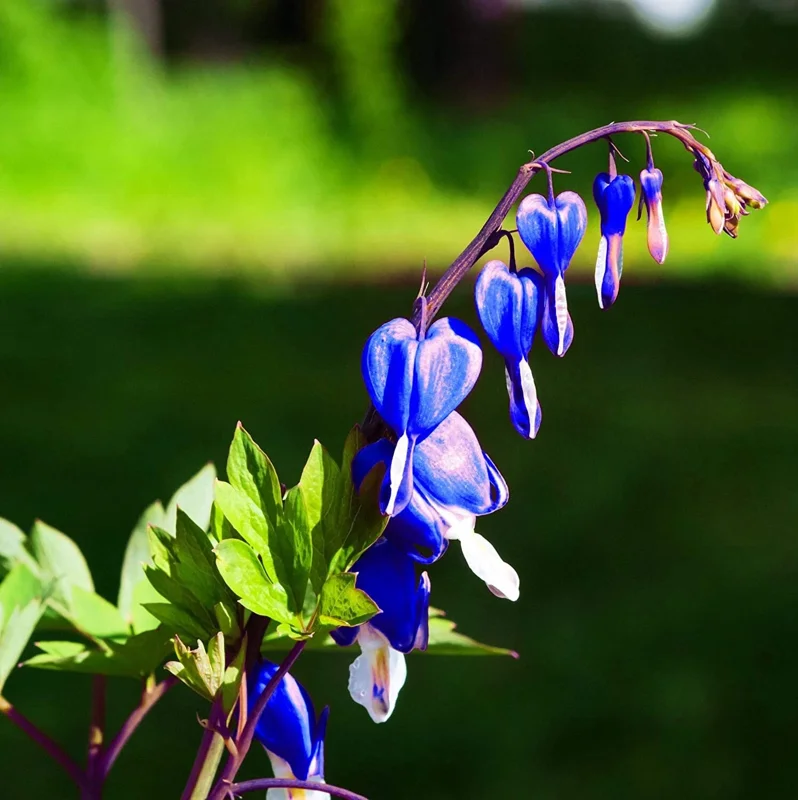
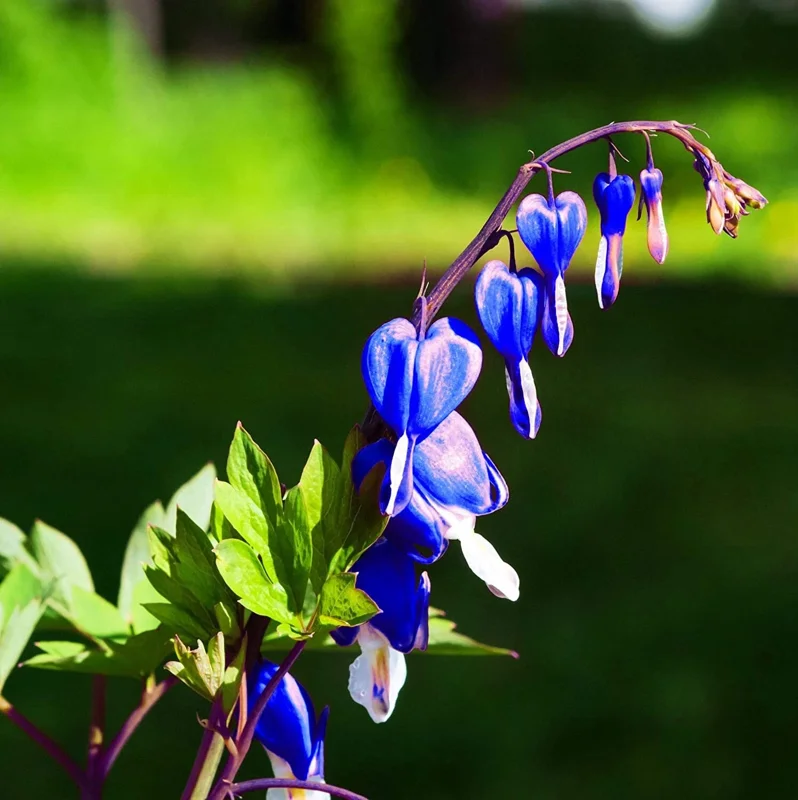
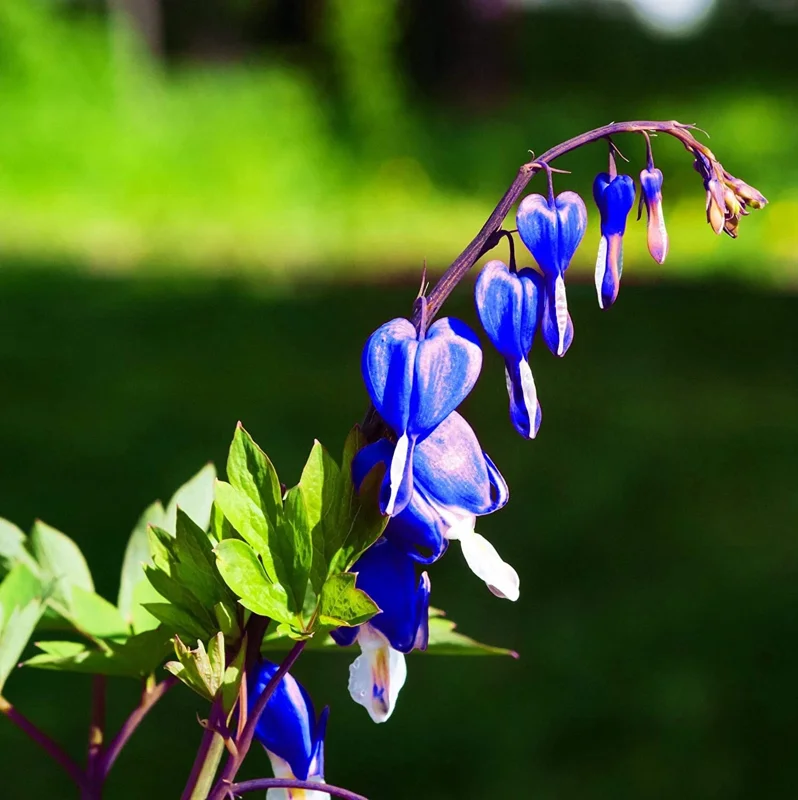
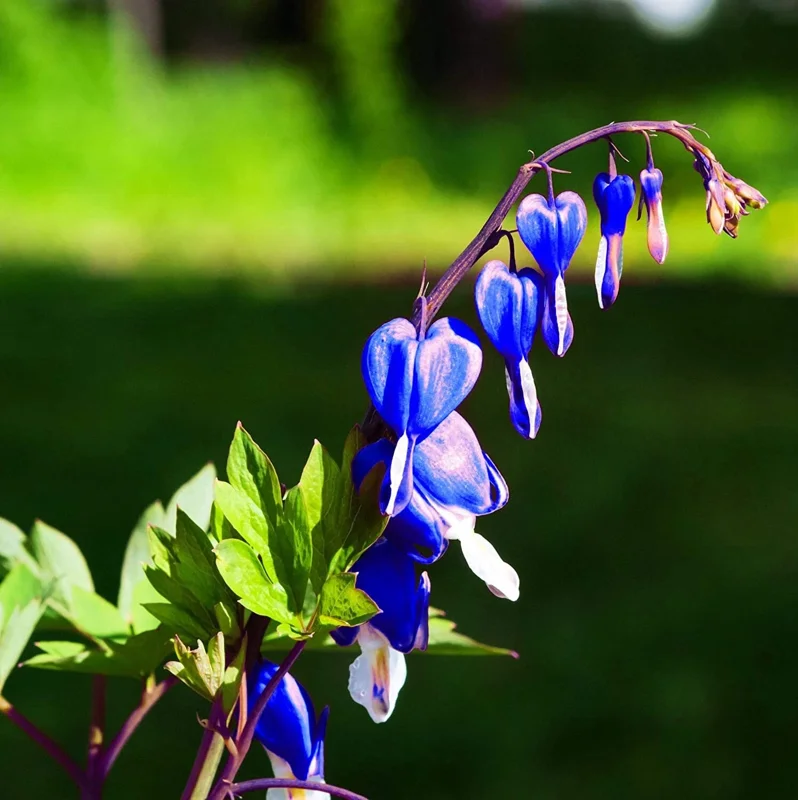
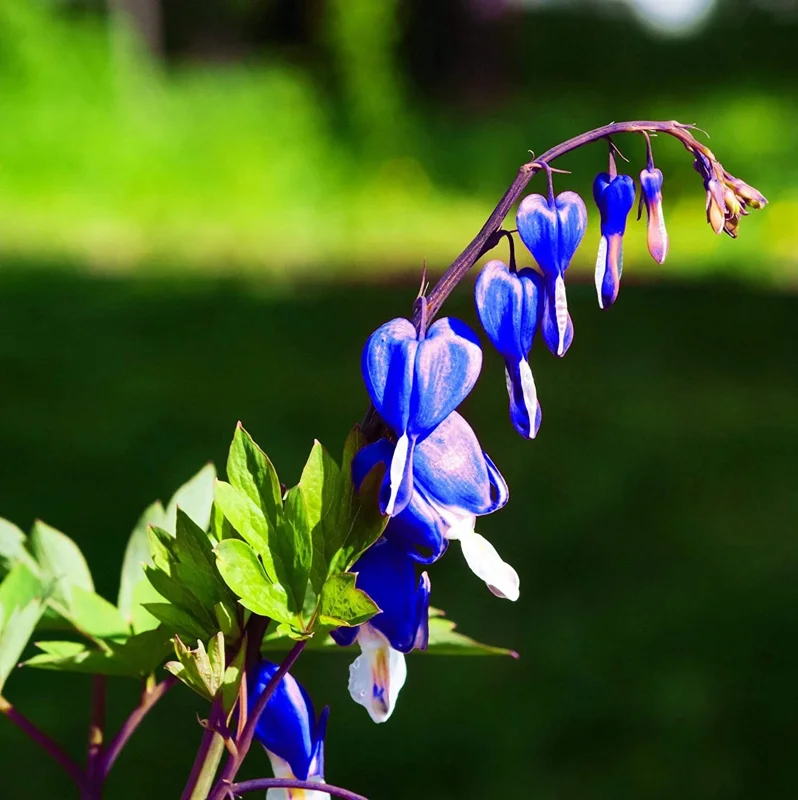
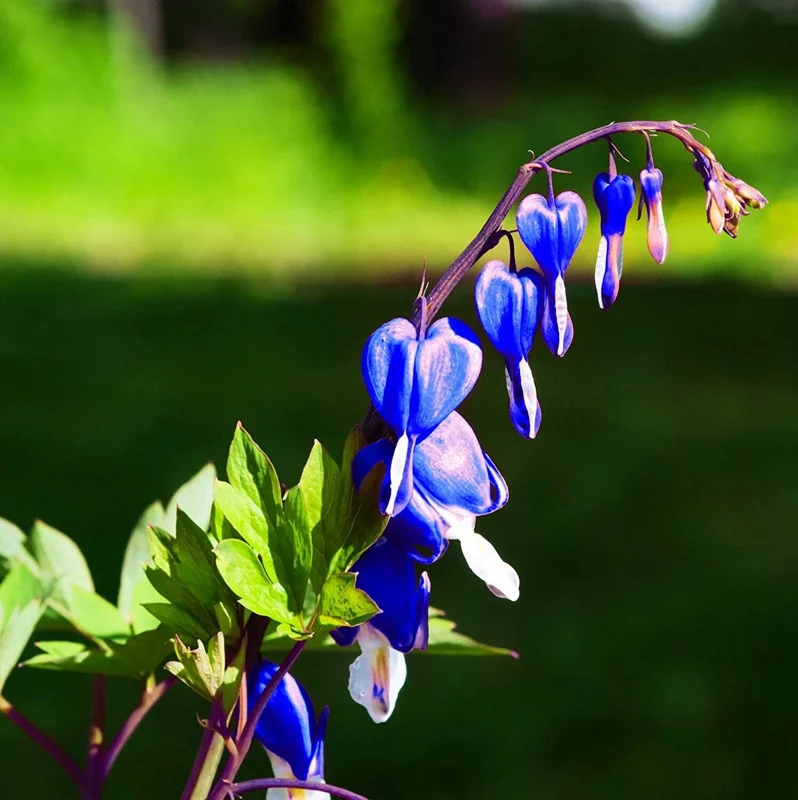
Transform your shaded garden spaces into a vibrant sanctuary with our premium selection of blue bleeding heart seeds. Each packet contains 25 Bright Blue Bleeding Heart Seeds, scientifically known as Dicentra Spectabilis, offering you the opportunity to cultivate these exquisite and unique flowers. Renowned for their delicate, heart-shaped blossoms that dangle gracefully, these plants bring a touch of whimsical elegance to any landscape. Ideal for areas that receive limited sunlight, Dicentra Spectabilis is a perennial favorite among gardeners seeking to add dramatic color and interesting texture to their borders, woodland gardens, or shaded perennial beds. These seeds promise to grow into robust plants that will captivate onlookers with their distinctive blue hues, making them a standout feature in your garden design.
The allure of the Bleeding Heart flower lies not only in its striking appearance but also in its ability to thrive where many other flowering plants struggle. These dicentra spectabilis seeds are your first step towards creating a truly enchanting outdoor space. Known for their resilience and relatively low maintenance once established, these plants are a rewarding choice for both novice and experienced gardeners. Imagine a cascade of bright blue hearts contrasting beautifully with lush green foliage, creating a serene and picturesque scene. Our carefully sourced seeds ensure high germination rates, giving you the best chance to successfully grow these magnificent shade-loving perennials.
Key Benefits
Embrace the unique charm and horticultural advantages of growing blue bleeding heart seeds. These plants offer a multitude of benefits that extend beyond their undeniable beauty, enhancing your garden in several ways:
- Stunning Aesthetic Appeal: The most prominent benefit is the breathtaking visual impact of the bright blue, heart-shaped flowers. They provide a unique focal point in any garden, drawing attention with their unusual form and vibrant color. Perfect for creating a romantic or whimsical garden theme.
- Thrives in Shade: Unlike many ornamental flowers that demand full sun, the Bleeding Heart excels in shaded environments. This makes it an ideal choice for challenging areas under trees, along north-facing walls, or in woodland gardens where other plants might falter.
- Early Spring Bloom: Dicentra Spectabilis typically blooms in early spring, often before many other perennials. This provides much-needed color and interest to the garden after the long winter months, signaling the arrival of warmer weather.
- Low Maintenance: Once established, these plants are relatively low-maintenance. They require minimal intervention, making them a great option for busy gardeners or those looking for an easy-care perennial.
- Attracts Pollinators: While beautiful to us, the flowers also attract early pollinators like hummingbirds and bees, contributing to the biodiversity and health of your garden ecosystem.
- Deer Resistant: Bleeding Hearts are generally considered deer resistant, which is a significant advantage for gardeners in areas where deer browsing is a problem, protecting your beautiful blooms.
- Versatile Use: Excellent for use in borders, mass plantings, ground cover in shaded areas, or even in large containers. Their elegant form and distinctive flowers make them suitable for various garden designs.
Plant Care & Growing Tips
Cultivating vibrant blue bleeding heart seeds requires a thoughtful approach to ensure these beautiful plants flourish. When considering how to grow bleeding heart, the first and most crucial factor is proper site selection. These plants thrive in partial to full shade; aim for a location that receives morning sun and afternoon shade, or dappled light throughout the day. Avoid harsh, direct afternoon sun, which can scorch the delicate foliage and reduce flowering. Good air circulation is also beneficial to prevent fungal diseases.
For optimal growth, Dicentra Spectabilis prefers consistently moist, well-draining soil rich in organic matter. Before planting your shade flower seeds, amend heavy clay soils with compost or peat moss to improve drainage and aeration. Sandy soils will benefit from added organic matter to enhance moisture retention. Maintain a soil pH between 6.0 and 7.0. Water regularly, especially during dry spells, to keep the soil evenly moist but never waterlogged. Overwatering can lead to root rot. A layer of mulch around the base of the plants will help conserve soil moisture, regulate soil temperature, and suppress weeds. Fertilize sparingly in early spring with a balanced, slow-release granular fertilizer or a liquid feed diluted to half strength. Avoid over-fertilizing, as this can encourage foliage growth at the expense of flowers. Deadhead spent blooms to encourage more flowering, though this is not strictly necessary as they are self-cleaning.
Bleeding Hearts are hardy perennials, typically thriving in USDA zones 3-9. In colder climates, ensure adequate winter protection with a thick layer of mulch. The foliage may die back in summer, especially in warmer regions, which is a natural process called ‘summer dormancy.’ Do not be alarmed; the plant will re-emerge the following spring. Common problems include slug and snail damage to young foliage, which can be managed with organic baits or barriers. Aphids can also be an issue but are usually controlled with a strong spray of water or insecticidal soap. Proper care, including understanding the specific needs of Dicentra Spectabilis, will ensure a spectacular display of blue blooms year after year.
Size & Details
Each packet contains 25 Bright Blue Bleeding Heart Seeds, providing a generous quantity to start your garden project. Once established, these Dicentra Spectabilis plants typically grow to a mature height of 24-36 inches (60-90 cm) and spread about 18-30 inches (45-75 cm) wide, forming a beautiful, mounding habit. The delicate, heart-shaped flowers usually emerge in early to mid-spring, lasting for several weeks, followed by attractive, fern-like foliage. These seeds are ready for planting and are best sown in late fall or early spring after a period of cold stratification to mimic natural winter conditions. Expect germination within 4-6 weeks after stratification, with the first blooms appearing in the second growing season. The plants will arrive as fresh, viable seeds, ready for you to begin the rewarding process of cultivation.
Frequently Asked Questions
- Q: How big do these blue bleeding heart plants get? A: Mature Dicentra Spectabilis plants typically reach a height of 24-36 inches (60-90 cm) and spread 18-30 inches (45-75 cm) wide, creating a lovely, bushy form in your garden.
- Q: Is this an indoor or outdoor plant? A: While you can start blue bleeding heart seeds indoors, they are primarily outdoor perennial plants, thriving in garden beds, borders, and woodland settings. They are not typically grown as long-term houseplants.
- Q: How much sunlight do shade flower seeds need? A: These plants prefer partial to full shade. Morning sun with afternoon shade is ideal, or a location with dappled sunlight throughout the day. Avoid direct, intense afternoon sun.
- Q: Are these dicentra spectabilis seeds easy to care for? A: Yes, once established, Bleeding Hearts are considered relatively low-maintenance. They require consistent moisture and shade, but otherwise, they are quite hardy and resilient, making them suitable for gardeners of various skill levels.
- Q: What condition will the seeds arrive in? A: Your order will contain fresh, high-quality 25 Bright Blue Bleeding Heart Seeds, carefully packaged to ensure viability upon arrival, ready for planting.
- Q: How long until these blue bleeding heart seeds bloom? A: After successful germination, you can typically expect the first blooms from your Bleeding Heart plants in their second growing season. The plants will establish their root system and foliage in the first year.
- Q: What’s the best time to plant these seeds? A: The best time to plant blue bleeding heart seeds is in late fall directly outdoors, allowing for natural cold stratification over winter, or in early spring after artificial cold stratification.
- Q: What kind of soil is best for how to grow bleeding heart? A: Bleeding Hearts prefer consistently moist, well-draining soil that is rich in organic matter. A slightly acidic to neutral pH (6.0-7.0) is ideal for optimal growth.
- Q: Are Bleeding Heart plants pet-safe? A: No, it’s important to note that all parts of the Bleeding Heart plant are considered toxic if ingested by pets or humans. Keep them away from curious animals and small children.
- Q: Will these plants survive winter in my zone? A: Dicentra Spectabilis is hardy in USDA Zones 3-9. In colder zones, the plant will die back to the ground but will re-emerge in spring. A layer of mulch can provide extra winter protection.



Reviews
There are no reviews yet.