Overview
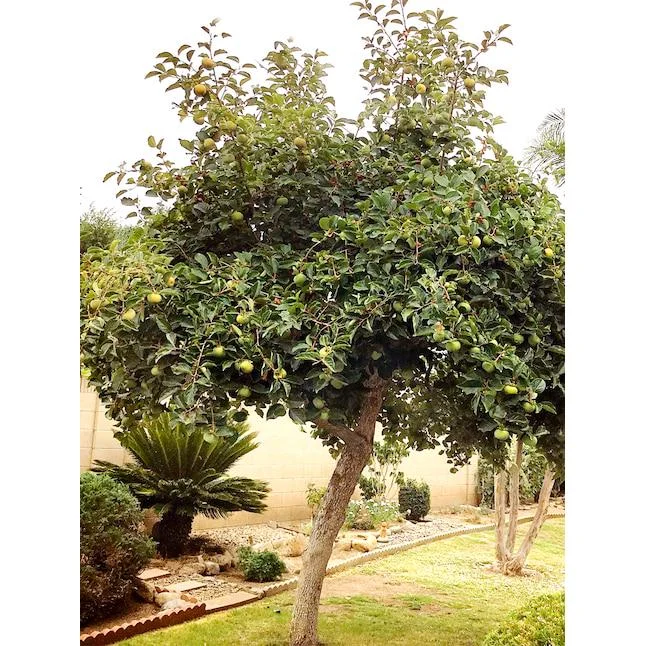
Bring the joy of home-grown fruit to your garden with a magnificent Fuyugaki Persimmon Tree. This popular deciduous tree is celebrated for its abundant yield of large, sweet, and non-astringent persimmons. Unlike many other persimmon varieties, Fuyugaki fruit can be enjoyed fresh right off the tree without any puckering sensation, making it a favorite for gardeners and culinary enthusiasts alike. Often referred to as the Japanese Persimmon tree, this variety (Diospyros kaki ‘Fuyugaki’) is a true gem for any landscape, offering both ornamental beauty and delicious edible fruit. Our Fuyugaki Persimmon trees are vibrant live fruit tree specimens, ready to thrive in your garden and provide years of bountiful harvests. They are grafted onto sturdy American persimmon rootstock, ensuring robust growth and adaptability.
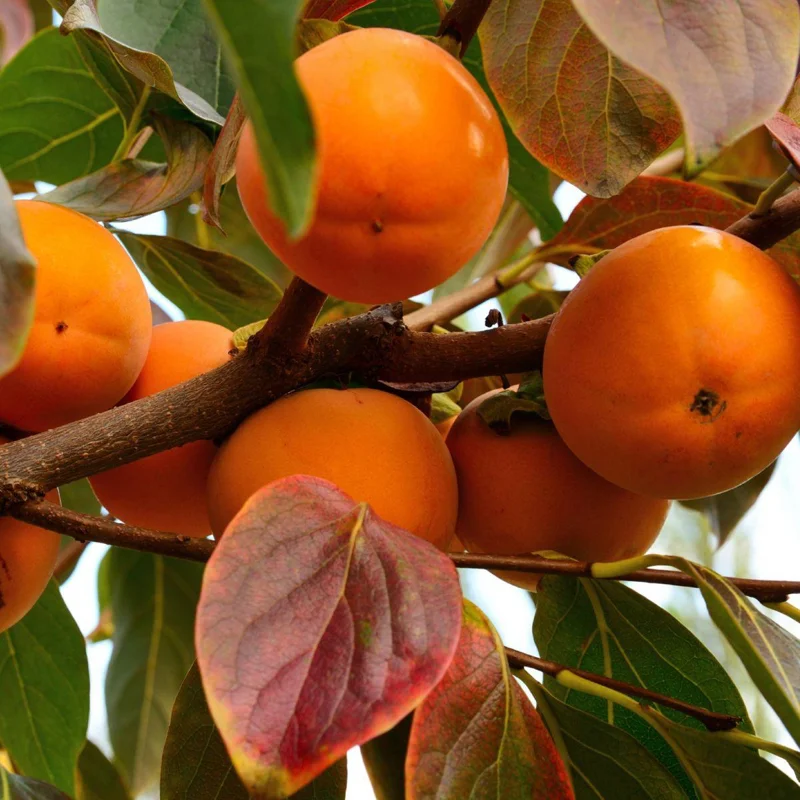
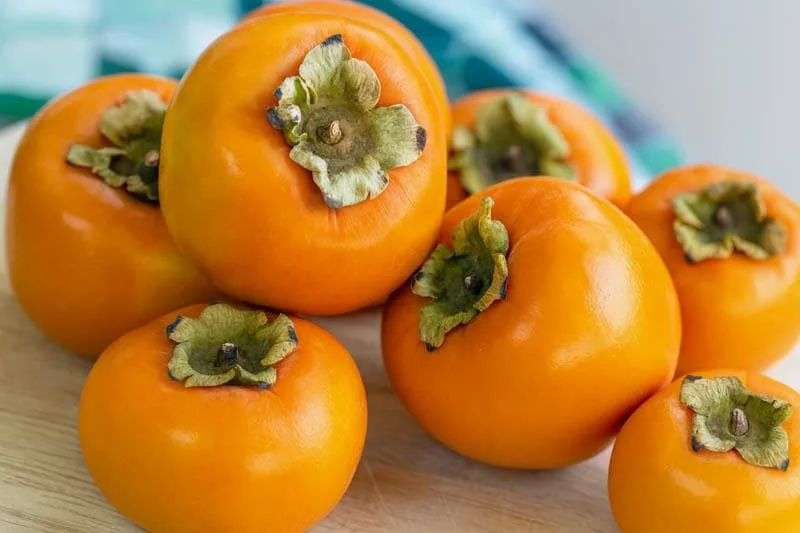
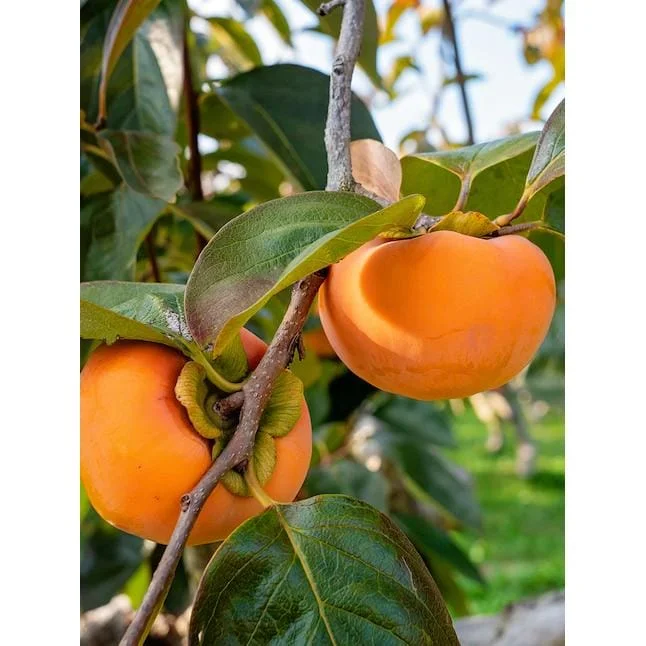
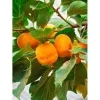
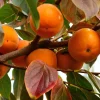
The Fuyugaki Persimmon is a small to medium-sized tree that develops an attractive rounded canopy, making it a wonderful addition to edible landscapes, orchards, or even as a standalone specimen plant. Its medium-large, tomato-shaped fruit has distinct indentations that give it an almost square appearance, adding to its unique charm. The deep orange skin and light orange flesh ripen in late October to early November, signaling the arrival of a sweet, mild flavor that is truly irresistible. Beyond its culinary appeal, the Fuyugaki is also valued for its hardiness and resistance to common pests and diseases, making growing Fuyugaki Persimmon a rewarding experience for gardeners of all skill levels.
Key Benefits
Investing in a Fuyugaki Persimmon Tree offers a wealth of benefits, from delicious fruit to easy care and ornamental value. This exceptional tree provides a unique blend of practicality and beauty for your home garden.
- Delicious Non-Astringent Fruit: Enjoy sweet, mild, and flavorful persimmons that can be eaten fresh directly from the tree as soon as they ripen. The non-astringent quality means no unpleasant puckering sensation, making them perfect for immediate enjoyment.
- Versatile Culinary Uses: The fruit is incredibly versatile, ideal for fresh eating, adding to salads, or incorporating into various recipes such as jellies, jams, pies, and even dried snacks. Its firm texture and sweet taste make it a kitchen favorite.
- Pest and Disease Resistance: The Fuyugaki Persimmon Tree is known for its natural resilience, making it a low-maintenance choice for gardeners. It stands up well to common pests and diseases, reducing the need for extensive care and chemical treatments.
- Ornamental Value: Beyond its fruit, the Fuyugaki offers year-round visual appeal. It boasts attractive green foliage in spring and summer, followed by beautiful fall colors before its striking orange fruit ripens, adding a splash of color to your autumn landscape.
- Long Shelf Life: The harvested Fuyugaki fruit keeps well, allowing you to store and enjoy your bounty over an extended period. This makes it an excellent choice for those who appreciate having fresh fruit available for weeks after harvest.
- Adaptable and Hardy: Grafted onto robust rootstock, this tree is semi-self-pollinating and hardy in a wide range of climates (USDA Zones 8-9), making it a reliable performer in many garden settings.
- Health Benefits: Persimmons are packed with vitamins, minerals, and antioxidants, contributing to a healthy diet. Fuyugaki Persimmon care leads to a delicious and nutritious harvest.
Plant Care & Growing Tips
Proper Fuyugaki Persimmon care is essential for a healthy, productive tree. This variety is relatively easy to grow once established, but providing the right conditions from the start will ensure optimal growth and fruit production. The Fuyugaki Persimmon Tree thrives in full sun to partial shade, meaning it needs at least 6-8 hours of direct sunlight per day for the best fruit yield. While it can tolerate some shade, more sun generally leads to larger and sweeter fruit. Ensure your chosen planting site offers adequate sun exposure throughout the day.
When it comes to soil, the Fuyugaki prefers well-drained soil. It can adapt to various soil types, including sandy, loamy, or clay, as long as drainage is good. Avoid areas where water tends to sit, as persimmons do not like wet feet. Amending heavy clay soils with organic matter like compost can improve drainage and provide essential nutrients. Regular watering is crucial, especially during the tree’s establishment phase and dry periods. Deep watering 1-2 times per week during warm months is typically sufficient, allowing the top few inches of soil to dry out between waterings. Once established, the tree becomes more drought-tolerant. For optimal growing Fuyugaki Persimmon, a balanced fertilizer designed for fruit trees can be applied in early spring before new growth begins, following package instructions.
The Japanese Persimmon tree is hardy in USDA Zones 8-9. It can tolerate temperatures down to about 10-20°F. In colder regions, some winter protection may be necessary for young trees. Pruning should be done in late winter or early spring while the tree is dormant. Focus on removing dead, damaged, or crossing branches to maintain good air circulation and light penetration, which encourages better fruit development. Light thinning of the canopy can also help. While semi-self-pollinating, planting another persimmon variety nearby can sometimes enhance fruit set, though it’s not strictly necessary for the Fuyugaki.
Size & Details
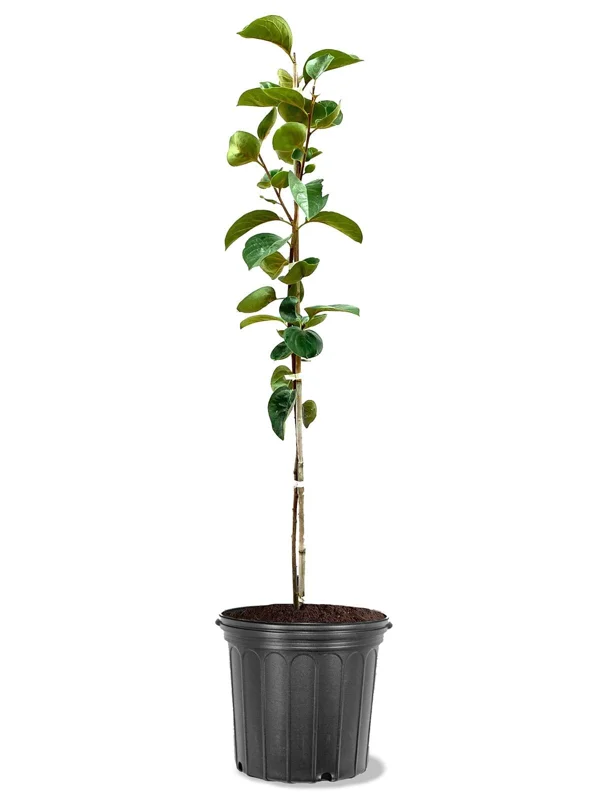
This Fuyugaki Persimmon Tree is shipped as a robust live fruit tree, typically around 3-4 feet tall, and is delivered in a #5 pot, ensuring it arrives with a well-established root system ready for planting. The minimum height upon shipping is 24 inches. This vigorous grower will mature into a tree approximately 15 to 20 feet tall and 15 to 20 feet wide, developing a beautiful, spreading canopy. The mature size can reach up to 20-25 feet tall, with a similar spread, depending on growing conditions and pruning practices. Expect medium to large, tomato-shaped fruit with a distinct square appearance due to its indentations. The fruit ripens in late October to early November, offering a late-season harvest of sweet, non-astringent persimmons. Our trees are grafted onto native American persimmon rootstock for enhanced hardiness and disease resistance, making them well-suited for USDA Zones 8-9.
Frequently Asked Questions
- Q: How big will my Fuyugaki Persimmon Tree get? A: Your Fuyugaki Persimmon Tree will typically grow to a mature size of 15-20 feet tall and 15-20 feet wide. With optimal conditions, some trees can reach up to 25 feet tall.
- Q: Is this an indoor or outdoor plant? A: The Fuyugaki Persimmon is an outdoor tree. It requires significant space to grow and thrives in garden settings, suitable for USDA Zones 8-9.
- Q: How much sunlight does the Fuyugaki Persimmon need? A: This tree requires full sun to partial shade, ideally at least 6-8 hours of direct sunlight daily for the best fruit production. More sun generally leads to larger and sweeter fruit.
- Q: Is this plant easy to care for? A: Yes, the Fuyugaki Persimmon Tree is considered relatively easy to care for once established. It’s known for being pest and disease resistant, simplifying maintenance. Consistent watering and occasional pruning are its main requirements.
- Q: What condition will the tree arrive in? A: Your live fruit tree will arrive in a #5 pot, with a well-developed root system and a minimum height of 24 inches. It will be carefully packaged to ensure safe transit.
- Q: When is the best time to plant a Fuyugaki Persimmon Tree? A: The best time to plant is typically in early spring or fall, allowing the tree to establish its roots before extreme summer heat or winter cold.
- Q: Will it survive winter in my zone? A: This tree is hardy in USDA Zones 8-9. If you are in these zones, it should survive winter without special protection. For zones outside this range, it may require winter protection or may not thrive.
- Q: Is the Fuyugaki Persimmon self-pollinating? A: Yes, the Fuyugaki is semi-self-pollinating, meaning it can produce fruit on its own. However, planting another persimmon variety nearby may sometimes increase fruit yield.
- Q: Can I use the fruit for cooking? A: Absolutely! The sweet, non-astringent fruit from your Japanese Persimmon tree is perfect for eating fresh, and also excellent for making jellies, pies, and other baked goods.
- Q: What kind of soil does it prefer? A: The Fuyugaki prefers well-drained soil. It can grow in various soil types, but good drainage is crucial to prevent root issues.



Reviews
There are no reviews yet.