Overview
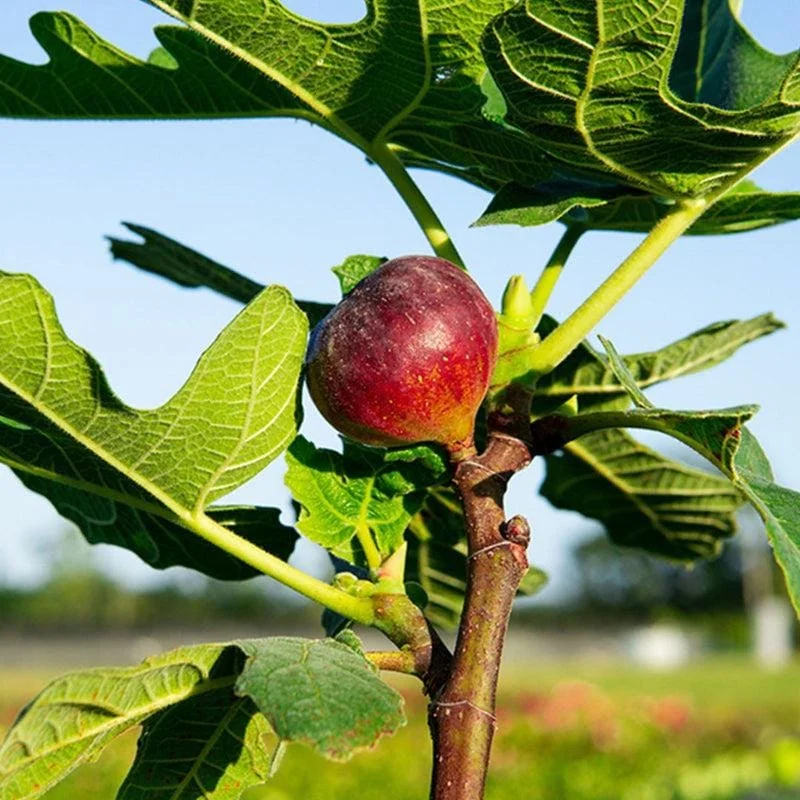
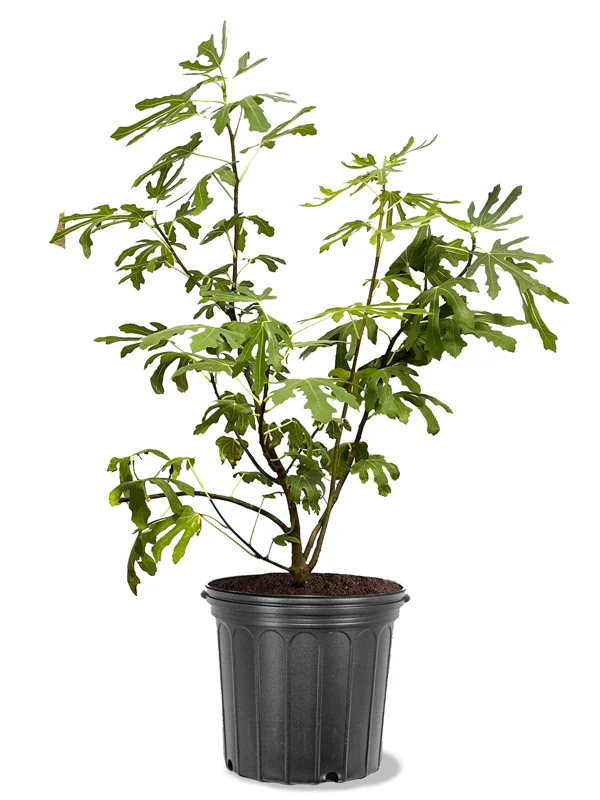
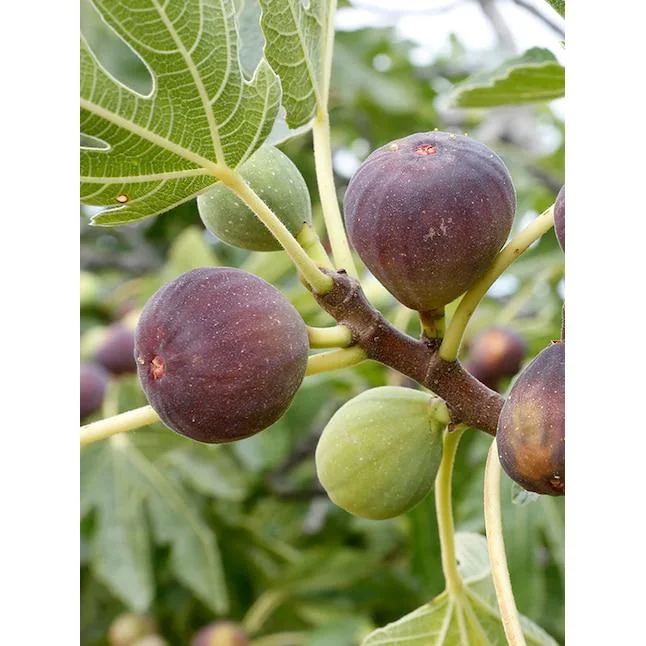
Bring the joy of fresh, homegrown fruit to your garden with the Texas Everbearing Fig Tree. This robust and prolific fig variety, also known for its delicious Brown Turkey figs, is a fantastic choice for both novice and experienced gardeners. Our live plant, currently standing 2-3 feet tall and rooted in a 3-gallon pot, is ready to thrive in your landscape. Known for its adaptability and generous harvests, the Texas Everbearing Fig is a reliable producer of sweet, succulent fruit that can be enjoyed fresh, dried, or preserved. Its attractive foliage also makes it a beautiful addition to any outdoor space, providing a touch of Mediterranean charm.
The Texas Everbearing Fig is celebrated for its vigorous growth and ability to produce two crops of figs each year in many climates, living up to its ‘Everbearing’ name. This hardy fruit plant is a true garden workhorse, offering both ornamental beauty and edible rewards. If you’re looking for a productive and attractive fruit tree, a Texas Everbearing Fig Tree is an excellent investment for your home orchard or edible landscape.
Key Benefits
The Texas Everbearing Fig Tree offers a wealth of benefits, combining aesthetic appeal with bountiful harvests of delicious fruit. It’s a versatile plant that enhances any garden.
- Abundant Fruit Production: Enjoy two crops of sweet, juicy Brown Turkey figs annually, providing a continuous supply of fresh fruit for your table. This makes it an incredibly rewarding plant for fruit enthusiasts.
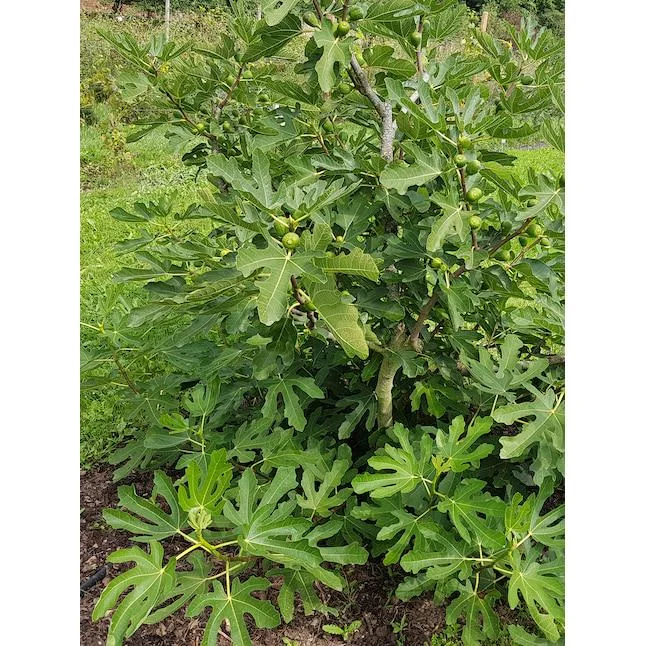
- Attractive Landscape Addition: With its distinctive, deeply lobed leaves that transition from rich green to a vibrant yellow-golden hue in the fall, the fig tree creates an elegant and eye-catching silhouette, adding significant visual interest to your garden.
- Adaptable & Hardy: Thrives in a wide range of climates, specifically ideal for growing in USDA zones 7 to 10, making it a resilient choice for many regions. Learning about fig tree care for this variety is straightforward.
- Edible & Versatile: The sweet fruit is perfect for eating fresh, baking, making jams and preserves, or drying, offering numerous culinary possibilities right from your backyard.
- Relatively Low Maintenance: Once established, this fig tree requires minimal care, making it an excellent option for gardeners seeking a productive yet easy-to-manage fruit plant.
- Supports Pollinators: While figs are self-pollinating, their presence in the garden can contribute to a biodiverse environment, attracting various beneficial insects.
- Long-Lived Investment: A well-cared-for fig tree can produce fruit for many years, becoming a valuable and enduring part of your garden for decades. Consider the long-term benefits of growing fig trees at home.
Plant Care & Growing Tips
Proper fig tree care is essential for a healthy and productive Texas Everbearing Fig Tree. This variety is relatively forgiving, but understanding its basic needs will ensure a bountiful harvest. For optimal growth, your fig tree requires a location with full sun exposure, meaning at least 6-8 hours of direct sunlight per day. While it can tolerate some partial shade, fruit production will be significantly higher in full sun. Ensure good air circulation around the plant to prevent fungal issues. When planting, dig a hole that is twice as wide as the root ball and just as deep. Mix some compost or well-rotted manure into the native soil to enrich it.
Watering is crucial, especially during the establishment phase and dry periods. Young trees should be watered regularly to keep the soil consistently moist but never waterlogged. Once established, fig trees are somewhat drought-tolerant but will produce better fruit with consistent moisture. Aim for deep watering, allowing the top few inches of soil to dry out between waterings. The ideal soil type is well-draining loam with a pH between 6.0 and 6.5. Fertilize your Texas Everbearing Fig Tree in early spring with a balanced slow-release fertilizer or a fertilizer formulated for fruit trees. Avoid excessive nitrogen, which can promote leafy growth at the expense of fruit. Pruning should be done in late winter or early spring while the tree is dormant to remove dead or diseased branches, shape the tree, and encourage fruit production. Protecting young trees in colder zones (like zone 7) during winter with mulch or burlap can be beneficial for successful growing fig trees.
Size & Details
The Texas Everbearing Fig Tree you will receive is a vibrant sweet fig fruit plant, typically measuring 2-3 feet in height from the top of the soil. It comes securely potted in a 3-gallon nursery container, providing a well-established root system for successful transplanting into your garden or a larger pot. This variety is known for its moderate growth rate, reaching a mature height of up to 20 feet if left unpruned, though it can be kept smaller with regular pruning. The distinctive lobed foliage creates an elegant and eye-catching silhouette throughout the growing season, turning a beautiful yellow-golden hue in the fall before dormancy. Expect your tree to begin producing its first significant crops of Brown Turkey figs within 1-3 years after planting, with continued prolific harvests for many seasons to come. This plant is shipped in its nursery pot, ensuring minimal transplant shock and providing a strong start for your new fruit tree.
Frequently Asked Questions
- Q: How big does this Texas Everbearing Fig Tree get? A: This fig tree can reach a mature height of up to 20 feet if unpruned. However, it can be maintained at a smaller, more manageable size through regular pruning, making it suitable for various garden sizes or even large containers.
- Q: What size pot does it come in? A: The sweet fig fruit plant is shipped in a 3-gallon nursery pot, providing ample space for its root system and ensuring a healthy start.
- Q: Is this an indoor or outdoor plant? A: The Texas Everbearing Fig Tree is primarily an outdoor fruit tree, thriving in USDA zones 7-10. In colder climates, it can be grown in a large container and moved indoors during winter.
- Q: How much sunlight does it need? A: For optimal fruit production and overall health, this fig tree requires full sun exposure, which means at least 6-8 hours of direct sunlight per day.
- Q: Is this plant easy to care for? A: Yes, fig tree care for the Texas Everbearing variety is relatively easy. It’s a hardy and adaptable plant, making it a good choice for gardeners of all experience levels, especially when following basic care guidelines.
- Q: What condition will it arrive in? A: Your Texas Everbearing Fig Tree will arrive as a healthy, live plant, securely packaged in its 3-gallon nursery pot, ready for planting or repotting.
- Q: Can I use the figs for cooking? A: Absolutely! The Brown Turkey figs produced by this tree are known for their sweet flavor and are excellent for eating fresh, baking, making jams, drying, or adding to savory dishes.
- Q: How long until it blooms or fruits? A: You can typically expect your Texas Everbearing Fig Tree to begin producing its first significant crops of figs within 1-3 years after planting, with increasing yields as the tree matures.
- Q: Will it survive winter in my zone? A: This fig tree is hardy in USDA zones 7-10. In zone 7, it may benefit from winter protection, such as mulching or wrapping, especially when young. For zones colder than 7, container growing with indoor overwintering is recommended.
- Q: What’s the best time for growing fig trees? A: The best time to plant a fig tree is in spring after the last frost, or in early fall in warmer climates. This allows the plant to establish its roots before extreme temperatures.





Reviews
There are no reviews yet.