Overview
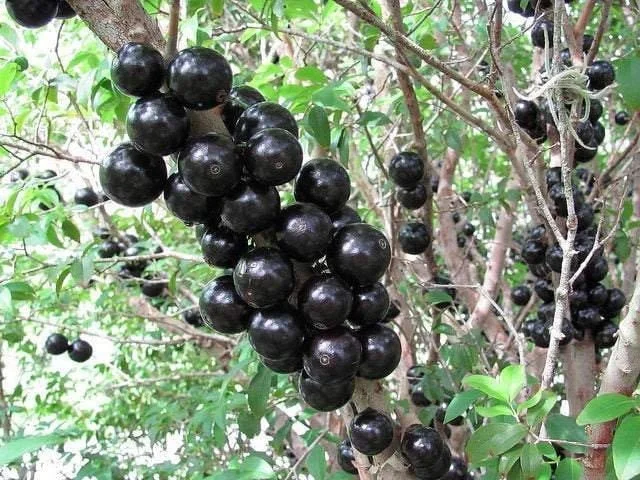
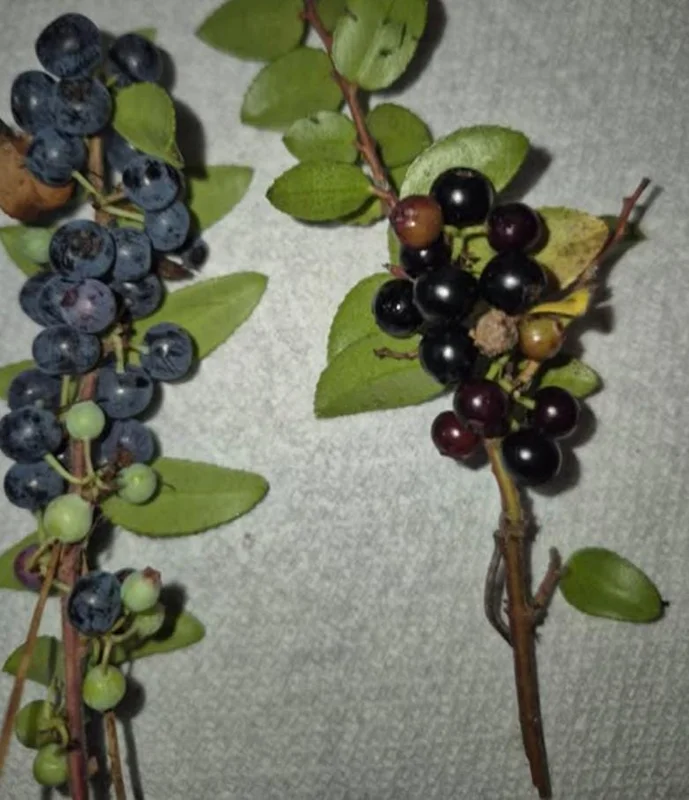
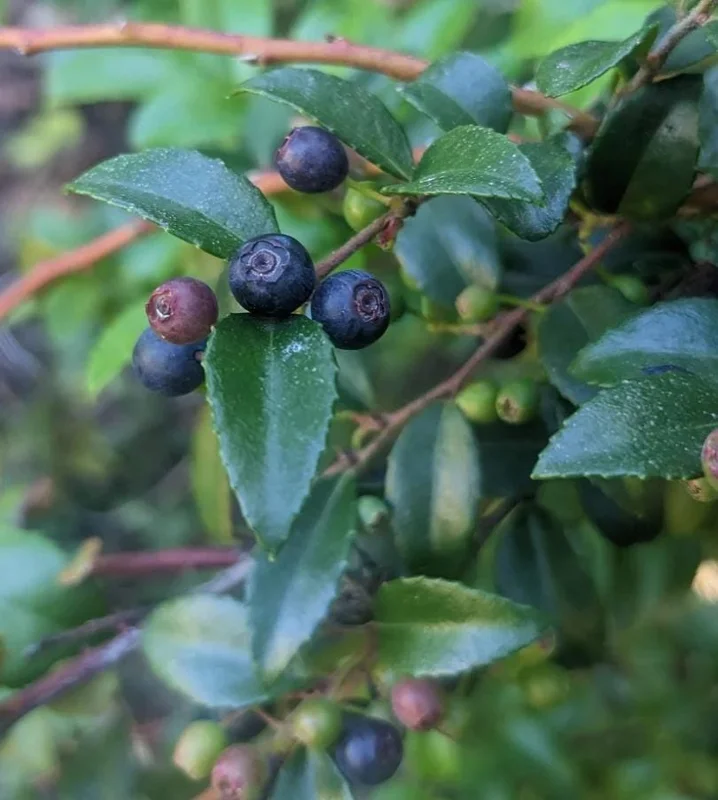
Discover the unique beauty and delicious bounty of a jaboticaba live plant. This extraordinary fruit tree, scientifically known as Myrciaria cauliflora or Plinia cauliflora, is celebrated for its distinctive growth habit where fruits emerge directly from the trunk and branches. Originating from Brazil, the jaboticaba fruit tree offers a tropical touch to any garden, providing sweet, purple-black berries reminiscent of grapes. Each plant is carefully cultivated, arriving at your doorstep as a robust specimen, typically 1 to 2 feet tall and established in a 3-gallon nursery pot, ensuring a healthy start for your new edible landscape addition. These plants are known for their slow, steady growth and can become long-lived, productive trees with proper care.
Key Benefits
Cultivating a jaboticaba live plant offers a multitude of benefits, from its ornamental appeal to its delicious and nutritious fruit. This unique tree is a conversation starter and a rewarding addition for any gardener seeking something out of the ordinary.
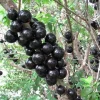
- Unique Fruiting Habit: Experience the captivating sight of fruits developing directly on the tree’s trunk and larger branches, a rare phenomenon known as cauliflory. This makes the jaboticaba fruit tree a visually stunning specimen.
- Delicious Edible Fruit: Enjoy a harvest of sweet, grape-like berries that can be eaten fresh, made into jellies, jams, wines, or liqueurs. The fruit is rich in antioxidants, vitamins, and minerals.
- Ornamental Value: With its attractive peeling bark, dense canopy of evergreen leaves, and unique fruiting display, the Jaboticaba serves as an excellent ornamental plant for patios, gardens, or as a focal point.
- Adaptable Growth: While preferring tropical to subtropical climates, Jaboticaba can be grown in containers in cooler regions, allowing for protection during winter months.
- Low Maintenance (Once Established): After establishing, these trees are relatively low maintenance, requiring consistent watering and occasional feeding to thrive and produce fruit.
- Long-Lived: Jaboticaba trees are known for their longevity, often living for decades and increasing in productivity over time, making them a long-term investment for your garden.
- Pest and Disease Resistant: Generally, jaboticaba live plant specimens are quite hardy and resistant to most common pests and diseases, simplifying their care.
Plant Care & Growing Tips
To ensure your jaboticaba live plant thrives and produces abundant fruit, understanding its specific care requirements is essential. This tropical fruit tree prefers a warm, humid environment and consistent moisture. When planting, choose a location that receives full sun to partial shade; while it can tolerate some shade, more sun generally leads to better fruit production. Ensure the soil is rich, slightly acidic (pH 5.5-6.5), and very well-draining. Jaboticabas do not like to sit in waterlogged soil, which can lead to root rot. If planting in a container, use a high-quality potting mix amended with organic matter.
Watering is crucial, especially during dry periods and when the plant is young. Keep the soil consistently moist but not soggy. Reduce watering slightly during cooler months. Fertilize your jaboticaba fruit tree with a balanced, slow-release fertilizer formulated for acid-loving plants, typically every 2-3 months during the growing season. Pruning is generally minimal, focused on shaping the tree and removing any dead or crossing branches. Protect young plants from frost; mature trees can tolerate brief dips below freezing but perform best in warmer climates. Understanding myrciaria cauliflora care involves monitoring for nutrient deficiencies, which can often be corrected with appropriate fertilization. For those wondering how to grow jaboticaba successfully, providing consistent conditions and patience will be key, as these trees are slow growers but incredibly rewarding.
Size & Details
This offering is for one robust jaboticaba live plant, which stands approximately 1 to 2 feet tall from the base of the plant to the top of its foliage. It is carefully nurtured and shipped in a 3-gallon nursery pot, ensuring the root system is well-established and ready for transplanting into your garden or a larger container. Jaboticaba trees are known for their slow to moderate growth rate, eventually reaching heights of 10-25 feet in ideal outdoor conditions, though they can be kept smaller with strategic pruning, especially when grown in containers. The plant will arrive with healthy, evergreen foliage, indicative of its vigorous state. Expect fruit production to begin within a few years, depending on the plant’s age and growing conditions, offering multiple flushes of fruit throughout the year once mature. This jaboticaba plant for sale is a young, healthy specimen, providing an excellent foundation for a productive fruit tree.
Frequently Asked Questions
- Q: How big does this plant get? A: This jaboticaba live plant is currently 1 to 2 feet tall. In the ground, mature trees can reach 10-25 feet tall, but they can be maintained at a smaller size through pruning, especially when grown in containers.
- Q: What size pot does it come in? A: The plant ships in a 3-gallon nursery pot, providing ample space for its root system and a healthy start for growth.
- Q: Is this an indoor or outdoor plant? A: Jaboticaba is primarily an outdoor plant in USDA zones 9-11. In cooler climates, it can be grown in a large container and moved indoors during winter, making it a versatile jaboticaba fruit tree.
- Q: How much sunlight does it need? A: For optimal growth and fruit production, Jaboticaba prefers full sun to partial shade, meaning at least 6 hours of direct sunlight per day.
- Q: Is this plant easy to care for? A: Once established, Jaboticaba is relatively low maintenance. It requires consistent watering and fertile, well-draining soil. Understanding myrciaria cauliflora care will ensure its success.
- Q: What condition will it arrive in? A: Your jaboticaba live plant will arrive carefully packaged, healthy, and with a well-established root system in its 3-gallon nursery pot.
- Q: How long until it blooms and fruits? A: Jaboticaba trees can take several years to begin fruiting from a young plant, typically 3-5 years, but can sometimes be longer. Patience is key with this slow-growing, rewarding tree.
- Q: Will it survive winter in my zone? A: Jaboticaba is best suited for USDA Zones 9-11 outdoors. In colder zones, it must be protected from frost or grown in a container and brought indoors during cold weather.
- Q: What is the best soil for a Jaboticaba? A: Jaboticaba thrives in rich, slightly acidic (pH 5.5-6.5), and very well-draining soil. Amending with organic matter can improve soil structure and fertility, which is vital for successful how to grow jaboticaba.
- Q: Can I use the fruit for cooking? A: Yes, the sweet, grape-like fruit of the Jaboticaba is excellent for eating fresh, and also widely used to make delicious jams, jellies, juices, and even wine.





Reviews
There are no reviews yet.