Overview
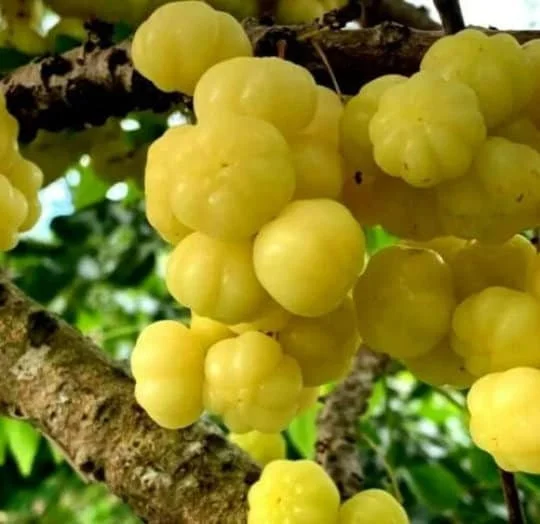
Discover the unique flavor and numerous benefits of the tropical gooseberry live plant, also widely known as Amla Berry or Indian Gooseberry (Phyllanthus acidus). This fascinating fruit tree is a must-have for any enthusiast looking to cultivate exotic produce in their home garden. Originating from Southeast Asia, the tropical gooseberry is celebrated for its small, tart, and highly nutritious fruits, which are often used in culinary applications and traditional remedies. Our healthy, vibrant plants are approximately 2-3 feet tall and are shipped in a durable 3-gallon pot, ensuring they arrive ready for successful transplanting into your garden or a larger container. This particular variety, sometimes referred to as ‘chùm ruột’ in certain regions, promises a rewarding growing experience and a bounty of fresh, tangy berries.
The tropical gooseberry live plant is not just a source of delicious fruit; it’s also an attractive addition to your landscape. Its dense foliage and manageable size make it suitable for various garden styles, from tropical themes to edible landscapes. Whether you’re an experienced gardener or just starting, growing an amla berry tree can be a fulfilling endeavor, providing fresh, homegrown fruit that is hard to find in conventional grocery stores.
Key Benefits
Cultivating a tropical gooseberry live plant offers a multitude of advantages, from its unique fruit to its resilient nature. Here are some of the key benefits you can expect:
- Nutrient-Rich Fruit: The small, round fruits of the tropical gooseberry are packed with Vitamin C and other antioxidants, making them a healthy addition to your diet. They offer a distinct tart flavor perfect for jams, jellies, and desserts.
- Exotic Garden Addition: This plant brings a unique tropical aesthetic to your outdoor space or a large patio. Its lush green leaves and interesting fruit development add visual appeal and conversation-starting charm to any garden.
- Versatile Culinary Uses: Beyond fresh eating, the fruits can be used to make sauces, pickles, and refreshing beverages. Exploring the culinary potential of Phyllanthus acidus is a delightful experience for any food adventurous.
- Relatively Low Maintenance: Once established, the tropical gooseberry live plant is known for its hardiness and requires less intensive care compared to some other fruit trees, making it suitable for gardeners of varying skill levels.
- Compact Growth Habit: While it can grow into a small tree, its growth can be managed through pruning, making it adaptable for smaller gardens or container growing, especially important for those looking for an indian gooseberry plant care guide that fits urban settings.
- Good for Edible Landscaping: Integrate this fruit tree into your edible landscape design, providing both beauty and a harvest. It’s a sustainable choice for home food production.
- Distinctive Flavor Profile: Enjoy the unique tart and slightly sour taste that sets tropical gooseberries apart from more common fruits, providing a refreshing and zesty burst of flavor.
Plant Care & Growing Tips
Caring for your tropical gooseberry live plant is relatively straightforward, ensuring a bountiful harvest with proper attention. These plants thrive in conditions that mimic their native tropical environment, but they are also quite adaptable. For optimal growth, choose a location that receives full sun, meaning at least 6-8 hours of direct sunlight per day. While they can tolerate partial shade, fruit production will be significantly reduced. If growing indoors or in a greenhouse, ensure ample bright, direct light or supplement with grow lights.
Watering is crucial, especially during the establishment phase and dry periods. Keep the soil consistently moist but never waterlogged. Excellent drainage is paramount to prevent root rot. Allow the top inch or two of soil to dry out slightly between waterings before rehydrating thoroughly. As for soil, the amla berry tree prefers rich, well-draining soil with a slightly acidic to neutral pH (6.0-7.0). Incorporating organic matter like compost or aged manure will enhance soil fertility and structure. Fertilize every 2-3 months during the growing season (spring through fall) with a balanced, slow-release fertilizer formulated for fruit trees. Reduce fertilization in winter when the plant’s growth slows.
The tropical gooseberry live plant is sensitive to frost, so it is best suited for warmer climates. It typically thrives in USDA hardiness zones 9-11. If you live in a cooler zone, plan to grow it in a container that can be moved indoors during colder months. Pruning can be done to maintain shape, size, and to encourage more fruit production. Remove any dead or diseased branches and thin out crowded areas to improve air circulation. Keep an eye out for common pests like aphids or scale insects; address them promptly with organic insecticidal soap if needed. Following these indian gooseberry plant care tips will help ensure a healthy and productive plant.
Size & Details
This offering includes one healthy tropical gooseberry live plant, which stands approximately 2-3 feet tall from the base of the pot to the top of the foliage. Each plant is carefully nurtured and shipped in a sturdy 3-gallon nursery pot, providing a well-established root system ready for transplanting. The 3-gallon pot size ensures the plant has sufficient soil and space for its initial growth, minimizing transplant shock. Upon arrival, the plant will have a compact to slightly spreading growth habit, with lush green leaves typical of the Phyllanthus acidus species. These plants have a moderate growth rate, and with proper care, they can begin to produce fruit within 1-2 years of planting. They can eventually reach a mature height of 6-15 feet as a small tree or large shrub, depending on growing conditions and pruning. Expect your plant to arrive in excellent condition, securely packaged to withstand transit.
Frequently Asked Questions
- Q: How big does this plant get? A: This tropical gooseberry live plant is currently 2-3 feet tall and ships in a 3-gallon pot. With proper care, it can reach a mature height of 6-15 feet, developing into a small tree or large shrub.
- Q: Is this an indoor or outdoor plant? A: The tropical gooseberry is primarily an outdoor plant suited for warm climates (USDA Zones 9-11). In cooler zones, it can be grown in a container and brought indoors during winter, making it a good candidate for those interested in grow tropical gooseberry indoors.
- Q: How much sunlight does it need? A: This plant thrives in full sun, requiring at least 6-8 hours of direct sunlight daily for optimal growth and fruit production. It can tolerate partial shade, but fruiting may be reduced.
- Q: Is this plant easy to care for? A: Yes, once established, the amla berry tree is considered relatively low-maintenance. It requires consistent watering, well-draining soil, and protection from frost.
- Q: What condition will it arrive in? A: Your tropical gooseberry live plant will arrive securely packaged in its 3-gallon nursery pot, with its root ball intact and foliage protected, ensuring it reaches you in healthy condition.
- Q: When can I expect fruit? A: With good care, your tropical gooseberry plant can begin producing fruit within 1-2 years after planting, offering a delightful harvest of tart berries.
- Q: What kind of soil is best for an indian gooseberry plant care? A: It prefers rich, well-draining soil with a slightly acidic to neutral pH (6.0-7.0). Amending your soil with organic matter like compost is beneficial.
- Q: Can I grow this plant in a container? A: Absolutely! The tropical gooseberry adapts well to container growing, especially useful for those in colder climates who need to move the plant indoors during winter. Ensure the container is large enough (e.g., 15-25 gallon) and has good drainage.
- Q: Are the fruits edible? A: Yes, the fruits of the tropical gooseberry (Amla Berry) are edible and known for their distinct tart flavor. They are often used in jams, jellies, beverages, and traditional dishes.
- Q: How often should I fertilize my phyllanthus acidus fruit plant? A: During the active growing season (spring through fall), fertilize every 2-3 months with a balanced, slow-release fertilizer formulated for fruit-bearing trees. Reduce feeding during winter dormancy.




Reviews
There are no reviews yet.