
Plant Care Expert Guides
Grow Your Own Saskatoon Serviceberries: The Ultimate Guide to Big Harvests
May
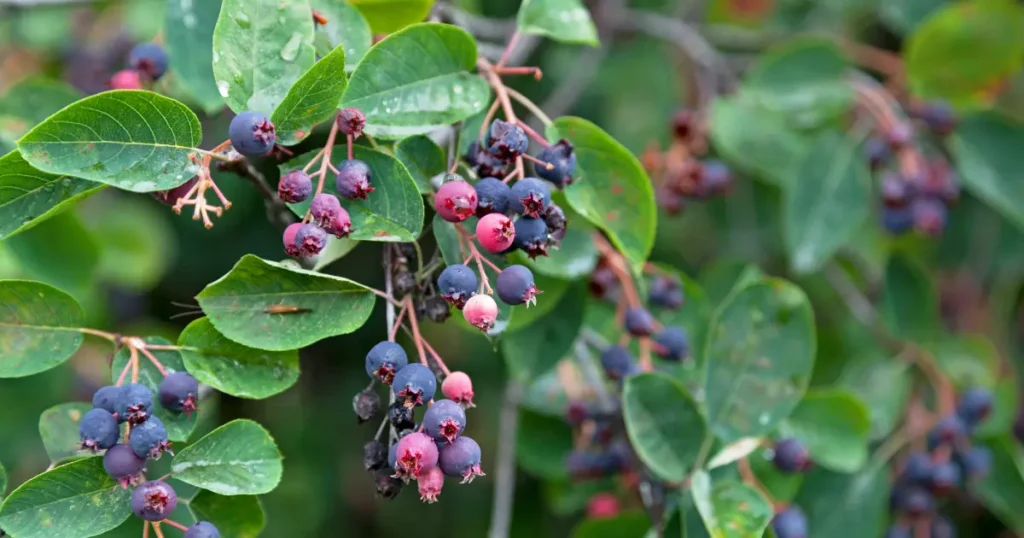
If you love the idea of plucking sweet, juicy berries straight from your backyard but are tired of dealing with “diva” plants that throw a tantrum the moment the weather turns cold, I have some spectacular news for you. Meet the Saskatoon Serviceberries (Amelanchier alnifolia).
Often just called “Saskatoons” or Juneberries, these tough-as-nails, cold-hardy deciduous shrubs are the unsung heroes of the edible landscape. Once they settle into your yard, they reward you with massive clusters of dark purple berries that look a bit like blueberries but pack a unique, gourmet flavor profile. Imagine a sweet blueberry mixed with a hint of dark cherry and a subtle, almond-like aftertaste. They are, quite frankly, a baker’s dream come true.
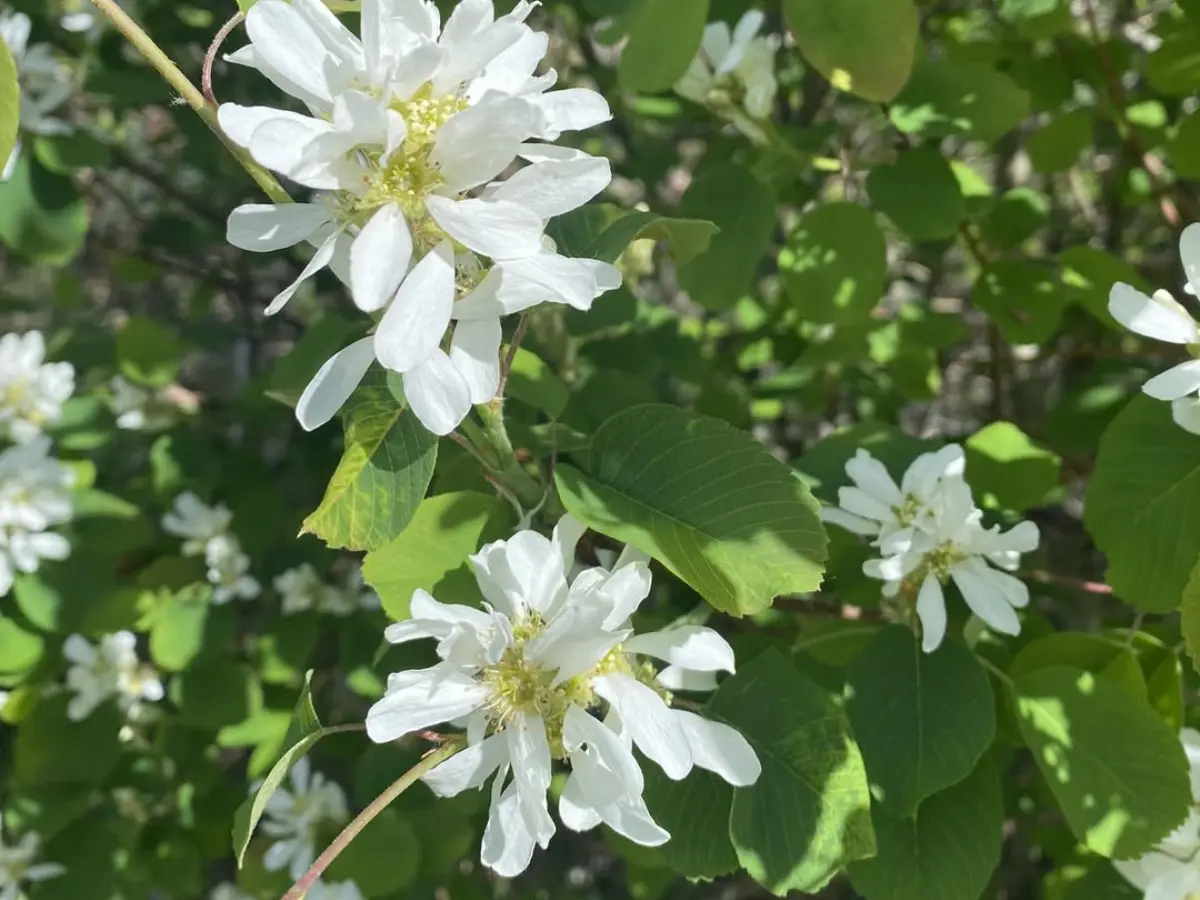
But these plants aren’t just about the food. Saskatoons earn their keep across all four seasons. In early spring, the entire bush bursts into a cloud of snowy white blossoms. By summer, it’s dripping with deep purple fruit. In autumn, the foliage shifts into a jaw-dropping display of fiery oranges and glowing reds, leaving you with a beautiful, structural silhouette in the winter. Best of all? They are self-fertile, meaning you only need space for one single bush to enjoy a kitchen full of berries.
In this guide, I’ll walk you through everything from picking the right variety to the pruning tricks that actually maximize your harvest. Let’s get your orchard started!
What are Saskatoon Serviceberries?
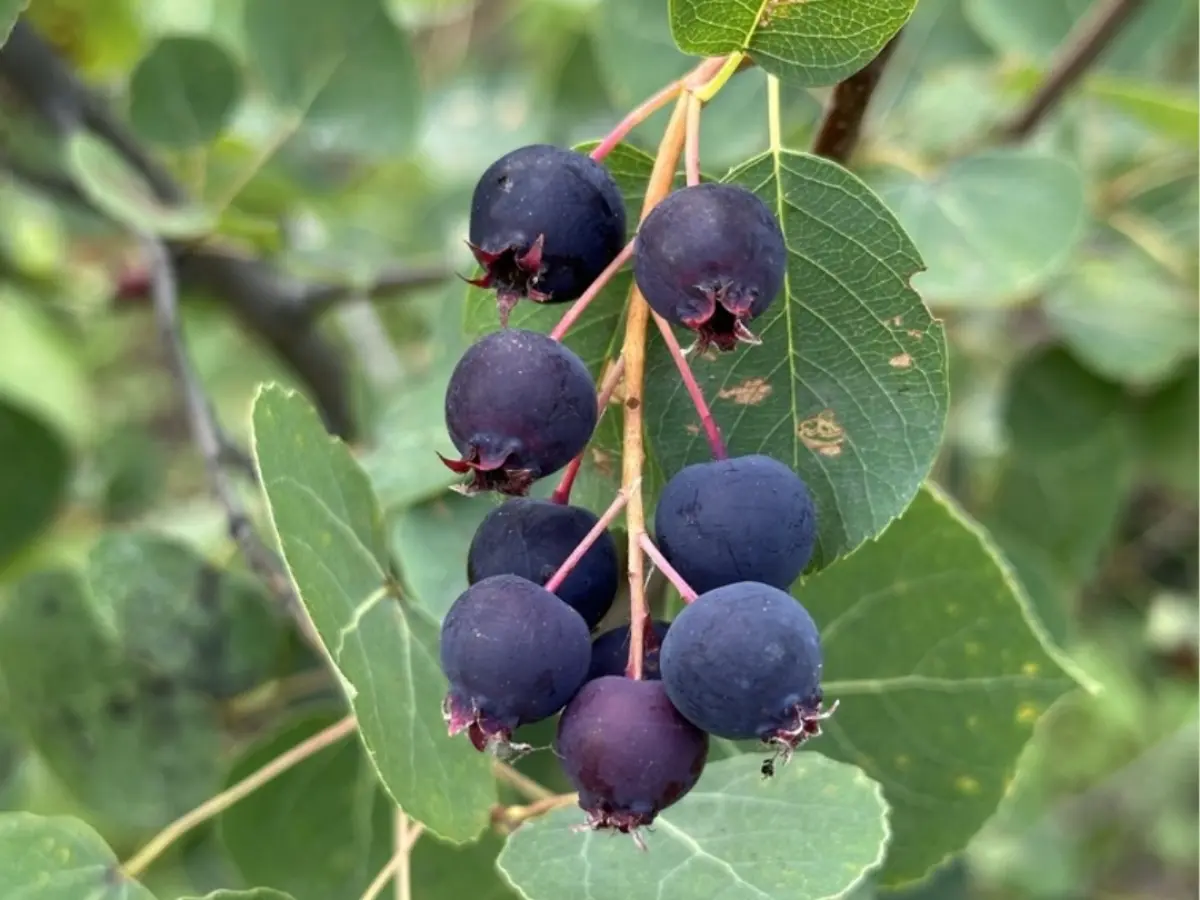
Saskatoon serviceberries have been a staple of North American foraging for centuries, but they are making a massive comeback in home gardens right now. Why? Because they are virtually indestructible.
Unlike traditional blueberries, which require you to constantly fuss over making your soil super-acidic, Saskatoons are incredibly easygoing. They can tolerate a wide range of soil types and shrug off deep winter freezes that would easily kill off more delicate berry varieties.
Nutritionally, they are total powerhouses, absolutely packed with antioxidants, fiber, and vitamin C. Whether you want to bake them into a classic Saskatoon pie, simmer them into a rich syrup for Sunday pancakes, or freeze them for winter smoothies, having one of these bushes is like having a premium berry boutique right outside your back door.
Best Varieties for Home Gardens
Choosing the right cultivar is half the battle if you want a bucket full of fruit. Look for these top picks:
Smoky: This is the absolute gold standard for home gardeners. It yields large, exceptionally sweet, flavorful berries with a distinctively rich, almond undertone. It’s a heavy hitter!
Northline: If you are short on space, this is for you. It stays a bit more compact but produces a massive harvest of large berries quite early in the season.
Thiessen: Known for producing the largest berries of them all. They are incredibly juicy and ripen over a longer window, giving you more time to enjoy fresh picking.
Read more:
- 7 Best Berry Bushes to Plant This Early Spring for Big Yields
- Grow Your Own Red Currants: The Ultimate Guide to Big Harvests
Planting Saskatoon Serviceberries
Before you rush to buy your bare-root shrubs online, you need to pick the perfect “apartment” for them in your yard. Getting the foundation right now saves you a massive headache next season.
Choosing the Right Location
Saskatoons are sun worshippers. While they can survive in partial shade, you’ll get the biggest, sweetest, and most abundant harvests if you plant them in a spot that gets full sun, at least 6 to 8 hours of direct sunlight every single day. Think of them as open-field plants; they love to bask in the daylight.
Soil Requirements
Saskatoons love “loamy soil“, that perfect, crumbly mix of sand, silt, and organic matter. They prefer a soil pH between 6.0 and 7.0, but aren’t nearly as picky as other berry bushes.
If your backyard soil feels like sticky, heavy clay, don’t panic. Just mix in plenty of aged compost or leaf mold to break it up and improve drainage. The one thing Saskatoons truly hate is “wet feet.” They absolutely will not survive in a soggy spot where water stands for hours after a heavy rainstorm.
How to Plant Step-by-Step
I remember helping a friend plant a row of bare-root ‘Smoky’ Saskatoons a few springs ago. He was terrified of burying the crown too deeply. With serviceberries, the rules are delightfully straightforward!
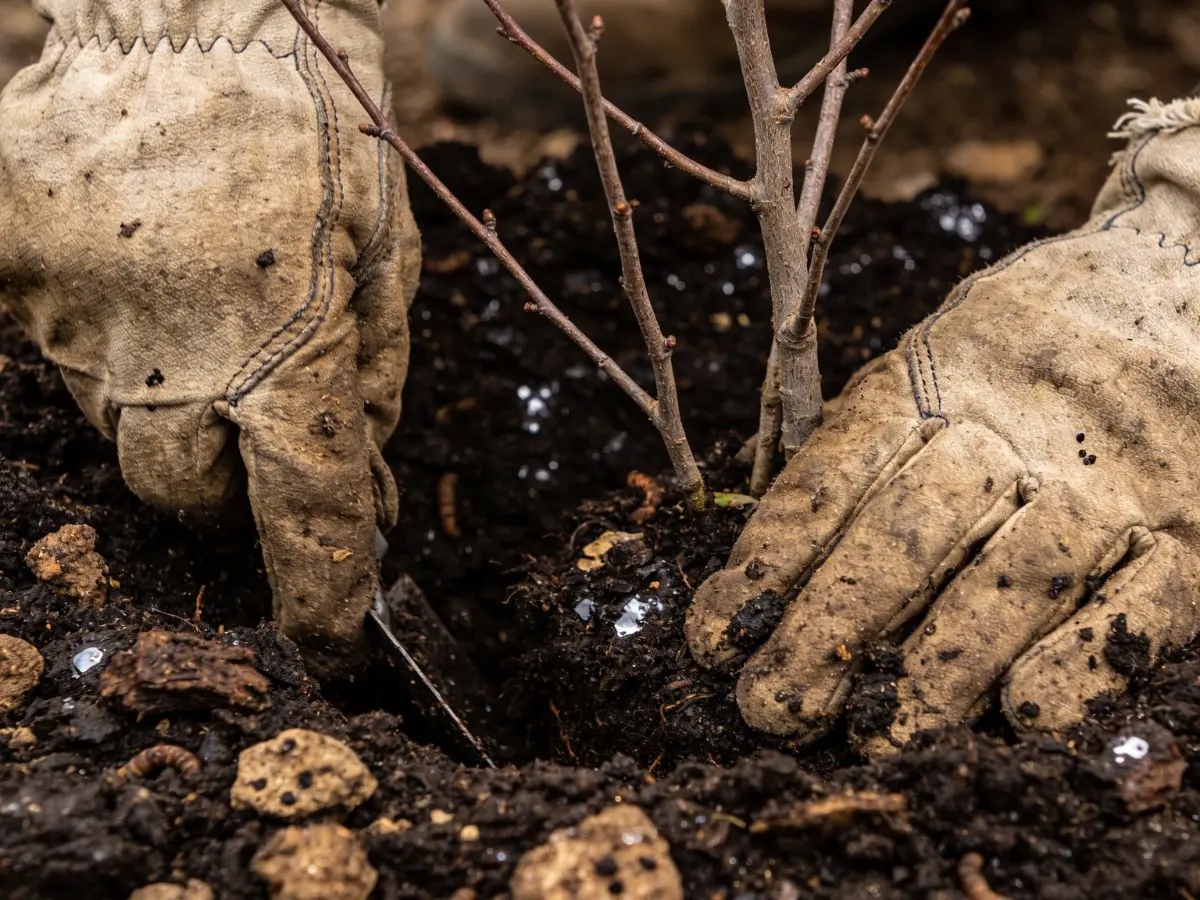
The Golden Window: Late fall or early spring, while the plant is completely dormant, is your best time to plant. This allows the roots to get comfortable before the stress of summer heat hits.
The Deep Hole: Dig a hole twice as wide as the root ball and just as deep.
The Proper Level: Set the bush in the hole, ensuring the soil line matches exactly where it sat in its nursery container. Planting it too deeply can smother the stem.
Give Them Elbow Room: Space your bushes about 4 to 6 feet apart if you want individual shrubs, or 3 feet apart if you want to grow a beautiful, edible hedge.
The Cooling Blanket: Water the plant deeply and apply a 3-inch layer of wood chips or shredded bark mulch around the base. This acts like a cooling blanket, keeping moisture in the soil and preventing weeds from stealing nutrients.
Caring for Your Saskatoon Serviceberry Bushes
Watering for Plump Berries
If you want berries that practically pop with sweet juice, you cannot let the soil go bone-dry during the fruiting season (usually June through July). Aim for about an inch of water per week. My rule of thumb? Stick your finger two inches into the dirt, and if it feels dry, it’s time to turn on the hose. Once established, Saskatoons are surprisingly drought-tolerant, but consistent water is the secret to a great harvest.
Feeding and Fertilizing
Keep it simple. You don’t need high-tech, fancy chemicals. Every spring, right as the buds begin to burst, spread a fresh layer of well-balanced organic compost or a light application of organic berry fertilizer around the base. Avoid heavy nitrogen fertilizers late in the summer; you don’t want the plant growing soft, tender leaves right before the first frost hits.
Pruning for Maximum Yield
Don’t be afraid of the shears! Saskatoons fruit best on wood that is between 2 and 4 years old. For the first three years, just let your bush grow. After that, follow the “Rule of Four” each winter during dormancy:
Keep a mix of 1-year-old stems (for the future).
Keep the 2- and 3-year-old stems (these are your heavy-hitting berry producers).
Cut out anything older than 4 or 5 years (it looks dark, thick, and gnarled).
Remove any weak, crossing, or dead branches to let light reach the center of the bush.
Potting and Repotting
While Saskatoons love the open ground, smaller varieties like ‘Northline’ are surprisingly happy living in large containers on a sunny patio or deck.
The Container Rules: You’ll need a large pot at least 15 to 20 gallons with excellent drainage holes. Use a high-quality potting mix blended with plenty of compost. Because pots dry out quickly, you’ll need to water your container-grown Saskatoons much more frequently than those in the ground.
The Three-Year Spa Treatment: To prevent the plant from becoming rootbound, plan to give it a “spa treatment” every three years. In late fall, slide the bush out, gently trim the very outer tips of the roots, shake off the old, tired dirt, and repot it with fresh potting soil and compost. Always move up just one pot size to avoid stagnant, waterlogged soil.
Overwintering
When it comes to winter, Saskatoon serviceberries are absolute champions. They can handle deep freezes down to -40°F without batting an eye.
If your bush is in the ground, you don’t need to wrap it or protect it. However, if you are growing them in patio pots, the roots are much more exposed to the elements. Before the deep freeze sets in, either bury the container in the ground up to its rim or move the pot into an unheated garage or shed to shield the roots from freezing solid in winter winds.
Troubleshooting Common Problems
Pests and the Infamous Rust
Entomosporium Leaf Spot: If you see tiny, reddish-brown spots on your leaves during a wet spring, you’re dealing with leaf spot. Pruning for good airflow and cleaning up fallen leaves in autumn is the best way to prevent it.
Saskatoon-Juniper Rust: This is the most common headache. It causes strange, fuzzy orange growths on the berries. It happens when juniper trees are nearby. If you see it, snip off the infected berries and discard them in the trash (never the compost). Spraying with an organic copper fungicide in early spring, just as the blossoms drop, can protect your harvest.
The Great Bird Battle
Let’s be completely honest: birds love Saskatoons just as much as we do. Once those berries start shifting from green to pink, your local robins and catbirds will invite their entire extended family for a feast.
The only foolproof defense is bird netting. Draping a lightweight net over your bush just as the fruit begins to color is the difference between baking a fresh pie and staring at a completely stripped, empty bush.
Harvesting and Storage Your Saskatoon Serviceberries
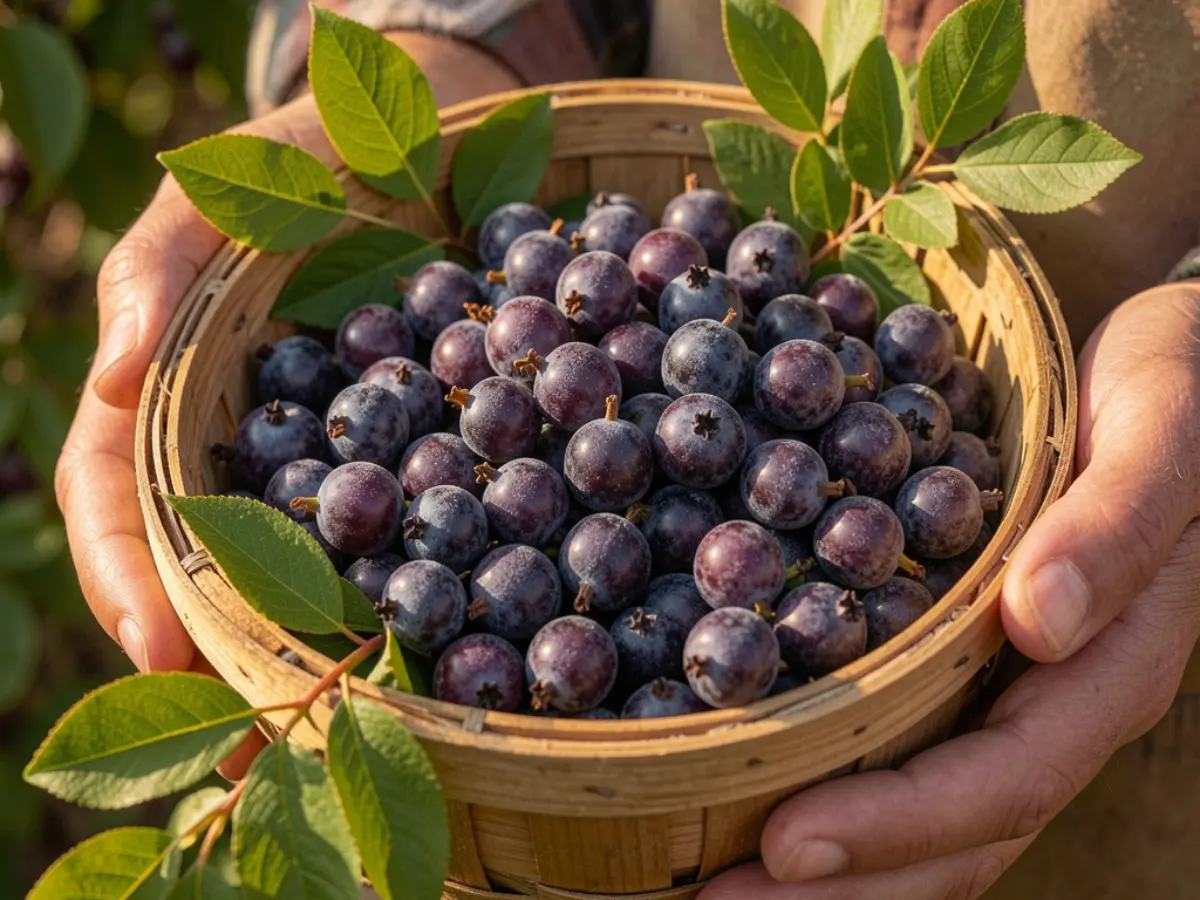
Saskatoons are unique because they turn bright purple or red long before they are actually sweet. If you pick them too early, they’ll taste bland and mealy.
Wait until the entire cluster is a deep, almost translucent midnight-purple. Give one a gentle pull; if it pops off the stem effortlessly into your hand, it’s ready. They usually ripen all at once in mid-summer, making it easy to harvest the whole bunch in one afternoon.
To keep them fresh, do not wash them until you are ready to eat. They will keep beautifully in the fridge for about 5 to 7 days. If you have a bumper crop, spread them out on a flat baking sheet to freeze them individually before bagging them. This stops them from turning into one massive, unmanageable “berry brick” in your freezer!
Frequently Asked Questions (FAQs)
1. Do I need two Saskatoon bushes to get fruit?
No! Saskatoons are entirely self-fertile, so a single bush will produce plenty of fruit all on its own. However, planting a second bush can increase cross-pollination, which often results in even larger berry yields.
2. How long does it take for a Saskatoon serviceberry to fruit?
If you plant a 2-year-old nursery container bush, you will likely see a handful of berries the very next year. A significant, bucket-filling harvest usually hits by year 3 or 4, and the bush will continue producing for decades.
3. What is the difference between a blueberry and a Saskatoon berry?
While they look remarkably similar, they are actually entirely different species. Blueberries belong to the Vaccinium family and demand highly acidic soil. Saskatoons are part of the Rosaceae (rose) family, grow into larger shrubs, accept normal garden soil, and have a unique, sweet-almond flavor profile that blueberries lack.
4. Why are my Saskatoon berries dropping off before they ripen?
This is almost always caused by a sudden, severe dry spell right as the fruit is setting in late spring. If the plant gets too stressed by thirst, it will drop its berries to save itself. Keeping up with a solid watering routine and using a thick layer of mulch will prevent this heartbreak.
Conclusion
Growing Saskatoon serviceberries is one of the most rewarding ways to introduce gorgeous “edible landscaping” to your home. They are beautiful, ridiculously tough, and hand you a unique, gourmet harvest you simply cannot find at the local corner grocery store. By picking a bright, sunny spot in your yard and keeping up with your simple winter pruning, you’ll have enough rich, sweet berries to keep your family in homemade pies and jams all winter long.
