
Plant Care Expert Guides
Prep Soil for Ground Cover Success: 5 Steps to Lush Yards
May
Have you ever looked at a patchy, weed-infested slope in your yard and thought, there has to be a better way? Maybe you are tired of pushing a heavy lawn mower every weekend during the humid American summer. You want to replace that stubborn grass with a beautiful, low-growing carpet of creeping thyme or pachysandra. So, you bought the plants, dug a few quick holes, put them in the ground, and hoped for the best.
Then, a few months later, the weeds took over, the plants choked, and your hard-earned money went down the drain.
If this sounds familiar, you are not alone. Many homeowners make the mistake of planting directly into poor, unprepared native soil. As a longtime gardener, I can tell you that the secret to a thriving, low-maintenance yard is not a green thumb. It is what you do before a single root touches the dirt. Investing time in soil preparation now saves hours of weeding and hundreds of dollars in dead plants later. Let us walk through the ultimate step-by-step formula to prepare your soil for ground cover success.
1. Evaluate Your Existing Soil Conditions
Before you grab a shovel, you need to know what you are working with. Think of your native soil as the foundation of a house. If the foundation is weak, everything else crumbles.
Testing Soil pH and Nutrients
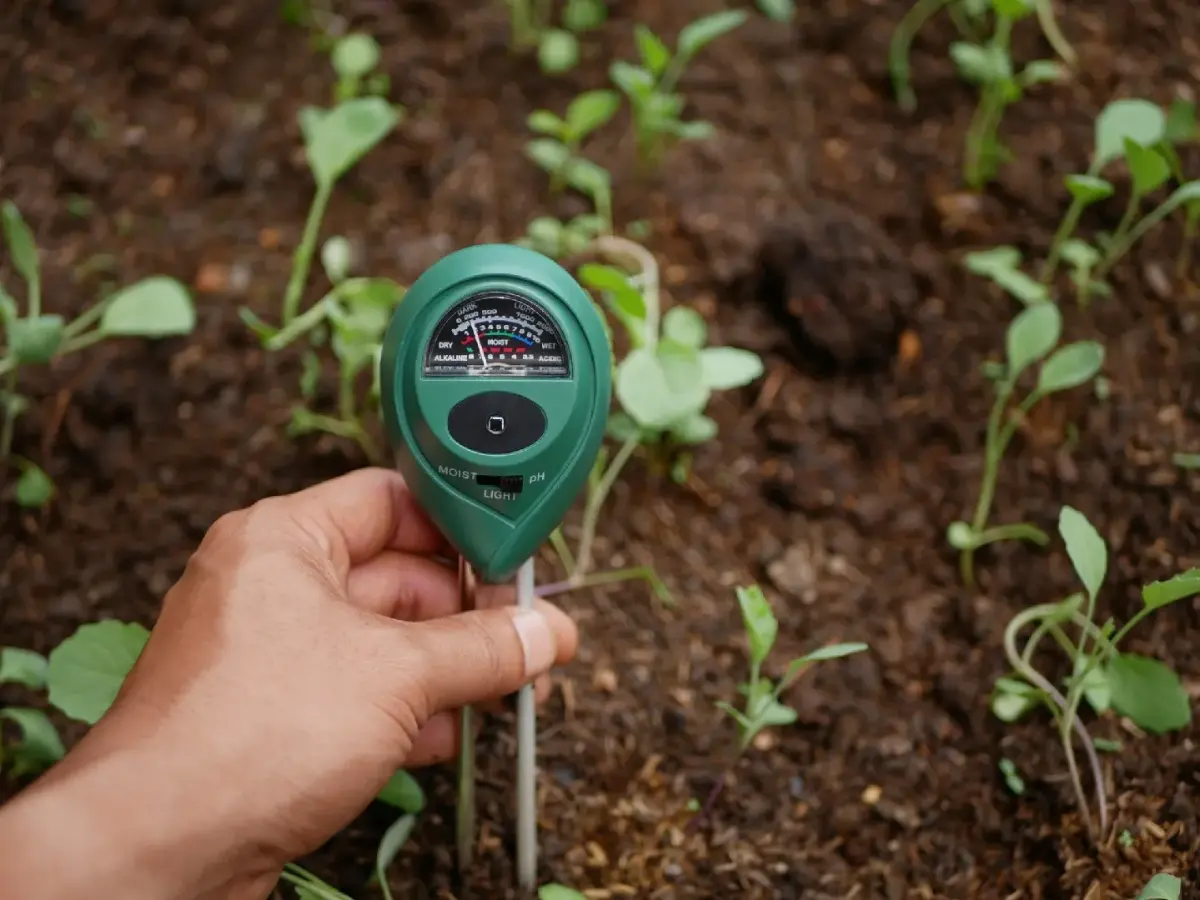
Different ground cover plants have different tastes. For instance, if you want a fragrant blanket of creeping thyme, that plant craves a neutral to slightly alkaline soil pH and sharp drainage. On the other hand, a shady bed of pachysandra or sweet woodruff prefers richer, slightly acidic conditions.
You can buy a simple, inexpensive soil testing kit at any local garden center or send a sample to your local university extension office. This test tells you exactly what nutrients your soil lacks. Instead of guessing and throwing random fertilizer at the ground, you will know precisely what your land needs.
You may like:
- Top 8 Ground Cover Plants to Prevent Weeds for a Maintenance-Free Yard
- Vinca Minor (Periwinkle) Guide: The Ultimate Evergreen Ground Cover for Beginners
Assessing Soil Drainage and Texture
Here is a quick trick I always tell my friends: dig a hole about a foot deep, fill it with water, and let it drain completely. Fill it again and measure how long it takes for the water to drop. If it drains slower than an inch an hour, you have heavy clay soil.
Heavy clay suffocates the root system of most low-growing ground covers, trapping water and causing root rot. If it drains almost instantly, you have sandy soil, which means water and nutrients will wash right past the roots before the plant can drink. Knowing your soil texture helps you decide how to fix it.
2. Clear the Area: Eradicating Weeds and Turf
You cannot establish a healthy root zone if your new plants have to fight established grass and aggressive weeds for survival. Weed prevention before planting ground cover is your single most important task.
The No-Chemical Approach: Sheet Mulching
If you have a lawn you want to get rid of, you do not need to spray harsh chemicals. I highly recommend sheet mulching, also known as lasagna gardening.
First, cut the grass as short as possible. Cover the entire area with overlapping layers of plain, unprinted corrugated cardboard or four to six layers of newspaper. Wet it down thoroughly until it is soaked. This layer blocks all sunlight, killing the grass and weed seeds underneath.
On top of the cardboard, add a layer of organic matter like compost, followed by a thick layer of wood chips or shredded leaves. Over a few months, everything breaks down into rich, crumbly topsoil, creating the perfect bed for your new plants.
Manual Removal vs. Solarization for Large Areas
If you are dealing with a large, sunny area full of tough weeds, you can use solarization. Lay a clear plastic tarp tightly over the soil during the hottest months of summer. The plastic traps heat, literally baking the weed seeds and pests beneath it.
If you are in a hurry and the area is small, manual removal works too. Use a sharp spade to slice beneath the turf, removing the roots entirely. Just make sure you get the deep roots of perennial weeds like dandelions, or they will come right back to haunt your new ground cover.
3. Amend and Enrich the Soil Structure

Now that your canvas is clean, it is time to feed the soil so the soil can feed your plants.
Adding Organic Matter
No matter if you have hard clay or dry sand, the answer to most soil problems is organic matter. Mixing in a generous amount of high-quality compost, aged manure, or leaf mold does wonders.
For heavy clay, organic matter loosens the tight particles, creating tiny air pockets so the root system can breathe and expand. For sandy soil, it acts like a sponge, improving soil moisture retention and boosting beneficial microbial activity. Aim to spread a layer of compost about two to three inches deep across your entire planting bed.
Adjusting Soil Drainage for Slope and Erosion Control
Are you planning on a hill to stop a muddy slope from washing away? Erosion control is a major reason American homeowners choose ground covers. However, preparing a slope requires care.
If you till a steep hill too much, a heavy rainstorm will wash your loose soil away before the plants take root. Instead of tilling the whole slope, incorporate organic matter individually into each planting hole, or use coarse organic compost that grips the hillside better.
4. Till and Aerate the Planting Bed
Your plants need loose soil so their roots can spread laterally and form that beautiful, dense carpet that suppresses future weed growth.
Tilling vs. No-Till: Which is Best for Your Garden Bed?
If your soil is severely compacted, light tilling can help break up the hard crust. Renting a small tiller makes quick work of large areas. You only need to loosen the top four to six inches of soil, as most ground covers have shallow roots.
However, if your soil is already relatively loose, consider a no-till approach. Tilling can bring buried weed seeds to the surface, causing a fresh explosion of unwanted green. Sometimes, simply broadforking or turning the soil gently with a garden fork is all it takes to achieve great aeration without disturbing the peace underground.
Smoothing and Leveling the Topsoil Layer
Once your amendments are mixed in, use a sturdy metal garden rake to smooth out the surface. Break up any large dirt clods and remove stray rocks or roots.
Leveling the ground ensures that rainwater spreads evenly across the bed rather than pooling in low spots, which could drown sensitive roots. A smooth, even bed also makes the actual planting process much faster and easier.
5. Final Prep: Hydration and Pre-Planting Weed Check
You are almost at the finish line. This final phase ensures your plants experience zero shock when they transition to their new home.
Pre-Watering to Settle the Soil
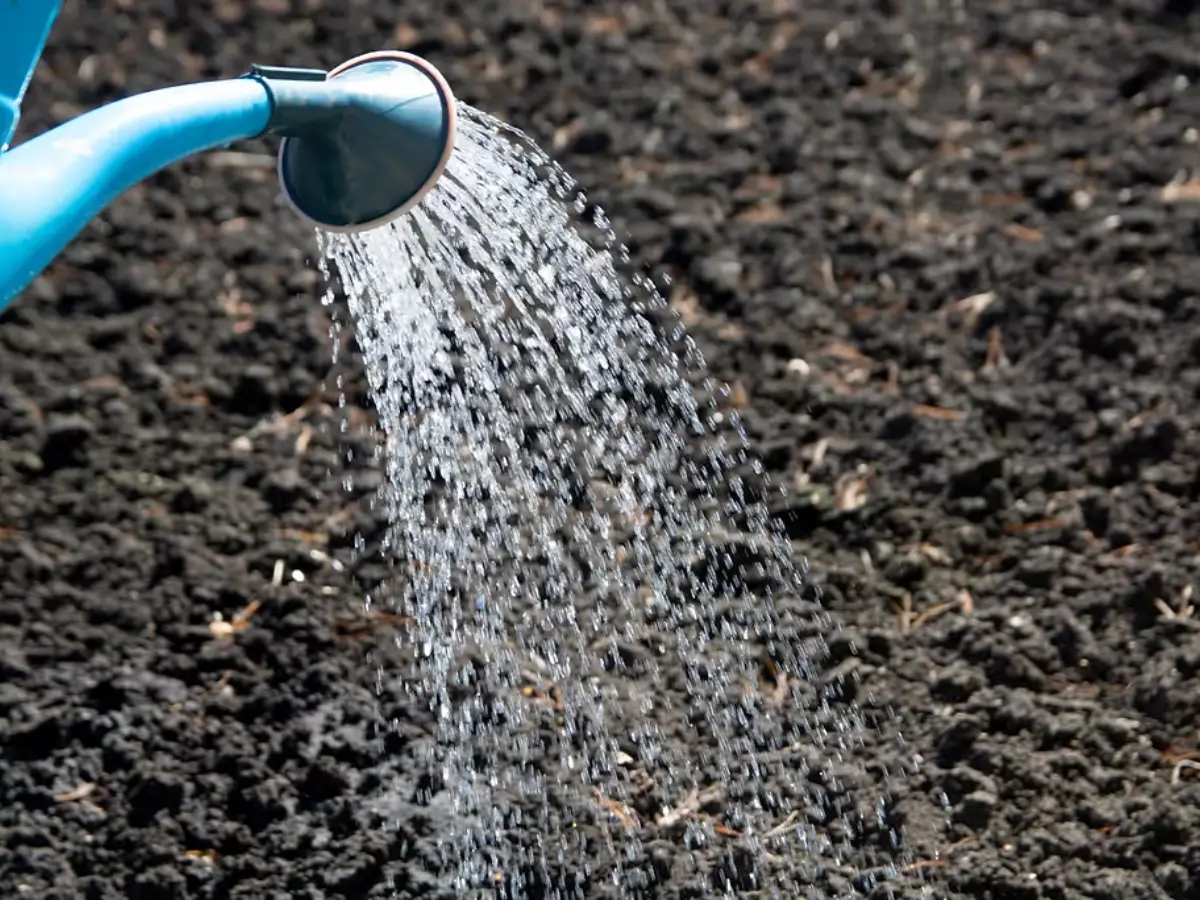
A day or two before you plan to plant, give your newly prepared bed a deep, thorough watering. This helps the loose soil and compost settle naturally. It also eliminates large, hidden air pockets beneath the surface that could dry out delicate plant roots after installation.
The Stale Seedbed Technique to Catch Leftover Weeds
If you have a week or two to spare, use the stale seedbed technique. Water the prepared bare soil and wait.
Any weed seeds that survived your clearing phase will start to sprout. Because the soil is loose, you can easily scrape these tiny seedlings away with a hoe or hand tool. By triggering and destroying this last wave of weeds before planting, you ensure your ground cover grows with minimal competition.
Expert Tips for Planting Ground Covers on Slopes and Clay
When dealing with tough regional challenges, small adjustments yield big results. In dry Western regions dealing with water restrictions, focus heavily on soil moisture retention by mixing in fine compost and finishing with a layer of fine bark mulch.
If you live in the South or Midwest with thick clay, avoid creating a bathtub effect. This happens when you dig a hole in hard clay and fill it with loose potting soil, causing water to be trapped inside the hole. Instead, always blend your amendments into the surrounding native soil across the entire bed to encourage roots to spread widely.
Frequently Asked Questions (FAQs)
Can I just plant ground cover over existing grass?
It is highly discouraged. Turfgrass is incredibly aggressive. If you plant ground cover directly into a lawn, the grass will choke out the new plants by stealing nutrients and water. You must kill or remove the existing grass first for the project to succeed.
How deep do I need to till the soil for ground covers?
Most ground cover varieties only require a loosened soil depth of four to six inches. Their root systems generally spread wide rather than deep, so focusing on topsoil improvement is your best strategy.
What is the best fertilizer to mix into the soil before planting?
A balanced, organic starter fertilizer or a rich layer of organic compost is ideal. Avoid high-nitrogen chemical fertilizers right away, as they promote rapid leaf growth before the root system is strong enough to support it.
How long should I wait to plant after amending the soil?
Ideally, wait one to two weeks. This brief window allows the soil structure to settle, balances moisture levels, and lets the beneficial microbial activity stabilize after being disturbed.
Conclusion
Preparing your soil properly is the ultimate shortcut to a gorgeous, low-maintenance yard. By testing your pH, clearing out aggressive weeds, adding rich organic matter, and leveling the bed, you create an environment where your plants can thrive instantly.
Once your soil is ready, the fun begins. Take a look at our expert guide on selecting the best drought-tolerant ground covers for your region to find the perfect match for your newly prepared garden bed.
