
Top Plant Picks
Top 8 Ground Cover Plants to Prevent Weeds for a Maintenance-Free Yard
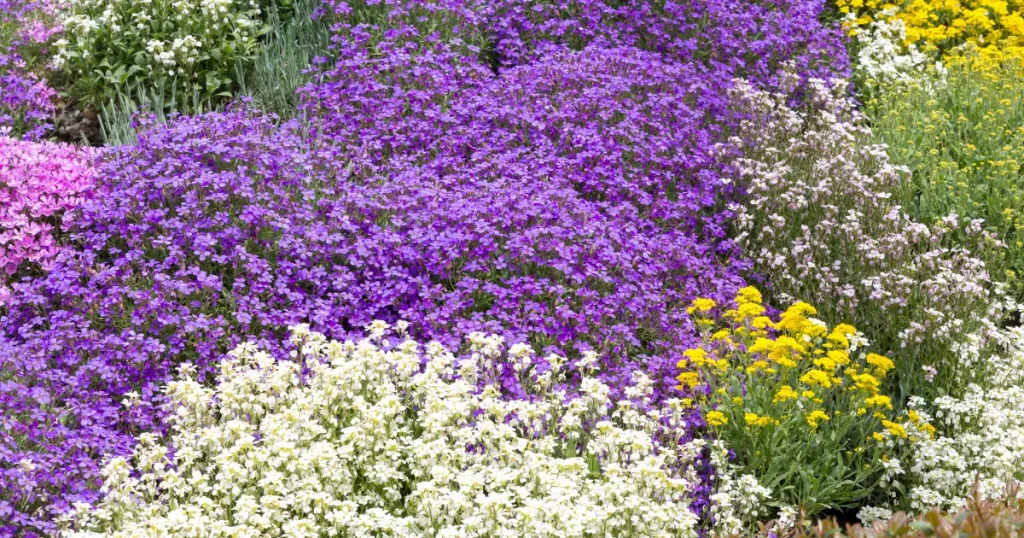
May
Have you ever looked at that stubborn patch of dirt under your oak tree and wondered why nothing grows there but weeds? Or maybe you are tired of spending every Saturday morning pushing a heavy lawnmower across a thirsty lawn that never seems to stay green enough. You are not alone. Many homeowners are trading in their high-maintenance grass for something more practical, beautiful, and sustainable.
Whether you are dealing with a steep slope that is dangerous to mow, a shaded backyard where grass goes to die, or you simply want to add some “curb appeal” without the backbreaking labor, ground cover plants are your secret weapon. As someone who has spent years getting my hands dirty in various USDA Hardiness Zones, I have seen how the right plant can turn a “problem area” into the highlight of the garden.
Let’s dive into the best ground cover plants to prevent weeds that will save you time, water, and frustration.
Why You Should Choose Ground Cover Plants Over Traditional Grass
The American obsession with the perfectly manicured lawn is changing. Why? Because traditional turfgrass is needy. It requires constant mowing, chemical fertilizers, and a staggering amount of water.
Ground covers, or “lawn substitutes,” offer a better way. These perennial creepers create a living mulch that suppresses weeds naturally by blocking sunlight from reaching weed seeds. They also act as soil binders, preventing erosion on hillsides where rain usually washes topsoil away. Plus, if you choose the right varieties, you are creating a haven for pollinators like bees and butterflies, something a plain grass lawn just can’t do.
Best Ground Cover Plants for Full Sun
If your garden is baked by the sun all day, you need “tough as nails” plants. These varieties love the heat and won’t wilt the moment the thermometer hits 90 degrees.
Creeping Thyme (Thymus praecox)
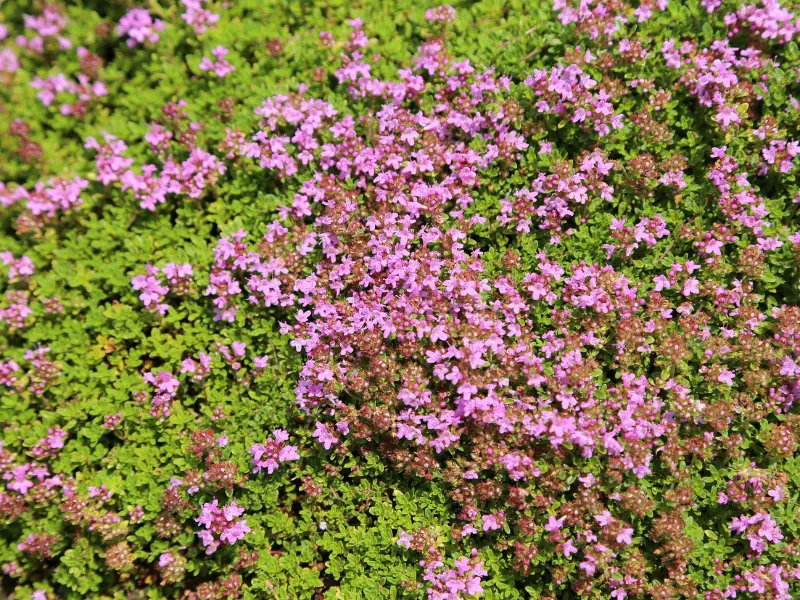
This is the ultimate “stepable” ground cover. I often tell my friends to plant this between flagstones or along walkways. Not only does it produce a carpet of tiny pink or purple flowers, but it also releases a heavenly herbal scent whenever you accidentally step on it. It is drought-tolerant and stays low to the ground, so you never have to worry about a mower again.
Blue Star Creeper
If you want something that looks like a soft, pale blue cloud on the ground, this is it. It is incredibly resilient and can handle heavy foot traffic. I once saw a neighbor use this to replace their entire front lawn in Seattle, and it looked like a fairytale landscape for six months of the year.
Sedum (Stonecrop)
For the brown-thumb gardeners out there, Sedum is your best friend. These succulents are the champions of low-maintenance. They store water in their leaves, meaning they can survive weeks without rain. Varieties like ‘Angelina’ provide a bright lime-yellow pop that stays vibrant even in the peak of summer.
Top Picks for Deep Shade and Under Trees
Shade is often where gardeners give up, but some of the most elegant plants actually prefer a break from the sun.
Pachysandra (Japanese Spurge)
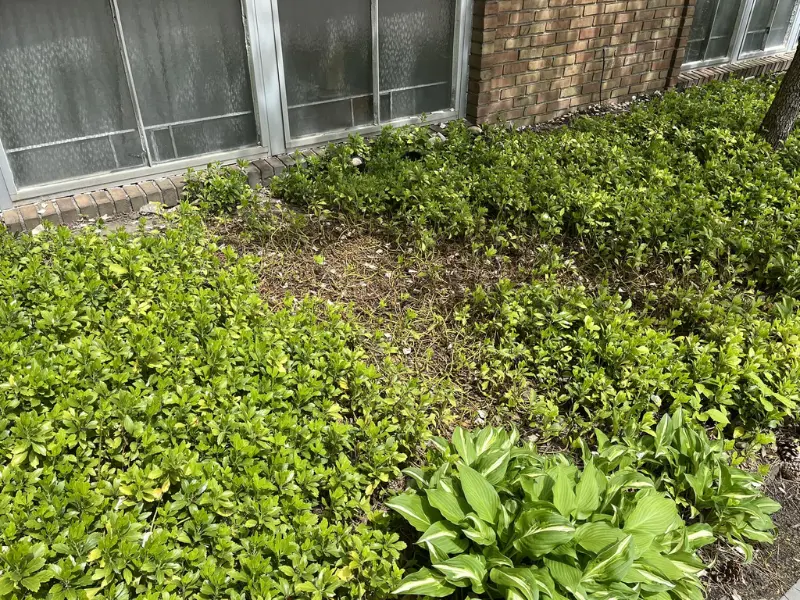
This is a classic for a reason. If you have a woodland garden or a large tree with dense roots, Japanese Spurge is one of the few things that will thrive there. It is an evergreen, meaning it stays green all winter long, providing much-needed color when the rest of the garden looks dormant.
Ajuga (Bugleweed)
Ajuga is a powerhouse. It grows fast and creates a dense mat of glossy leaves that come in shades of bronze, purple, or variegated green. In the spring, it shoots up spikes of blue flowers. Just a heads-up: it grows so well that you should keep it away from your delicate garden bed borders, or it might try to take over!
Sweet Woodruff
I love Sweet Woodruff for its delicate, star-shaped leaves and tiny white flowers. It smells like freshly cut hay and vanilla. It prefers moist shade, making it perfect for those damp corners of the yard where nothing else seems to work.
Fast-Growing Solutions for Erosion Control
If you have a hill or a slope, you don’t just want beauty; you want roots that hold the earth together.
Creeping Phlox
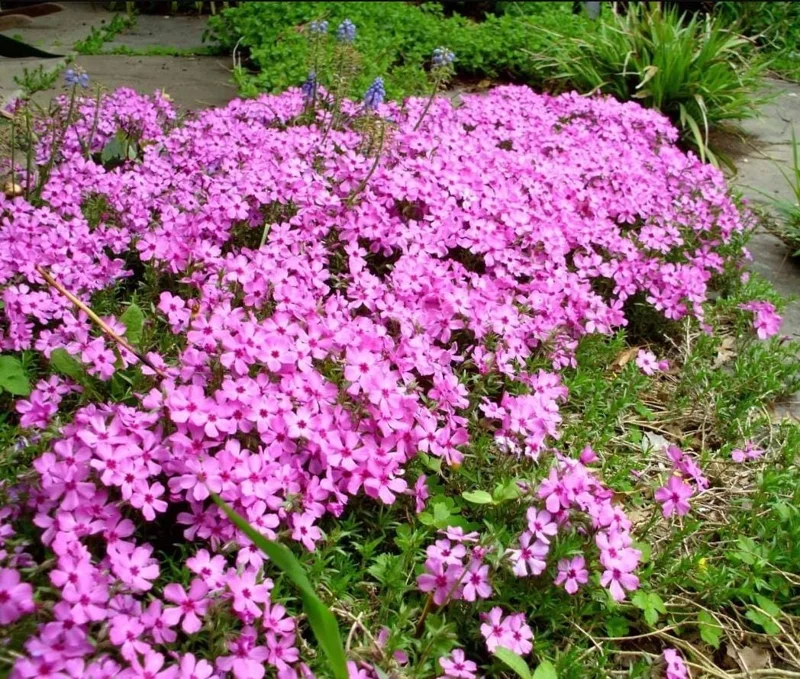
In the spring, Creeping Phlox is a showstopper. You have likely seen it draping over rock walls in suburban neighborhoods, looking like a literal carpet of neon pink, white, or blue. It spreads quickly and creates a thick root system that keeps your soil exactly where it belongs.
Vinca Minor (Periwinkle)
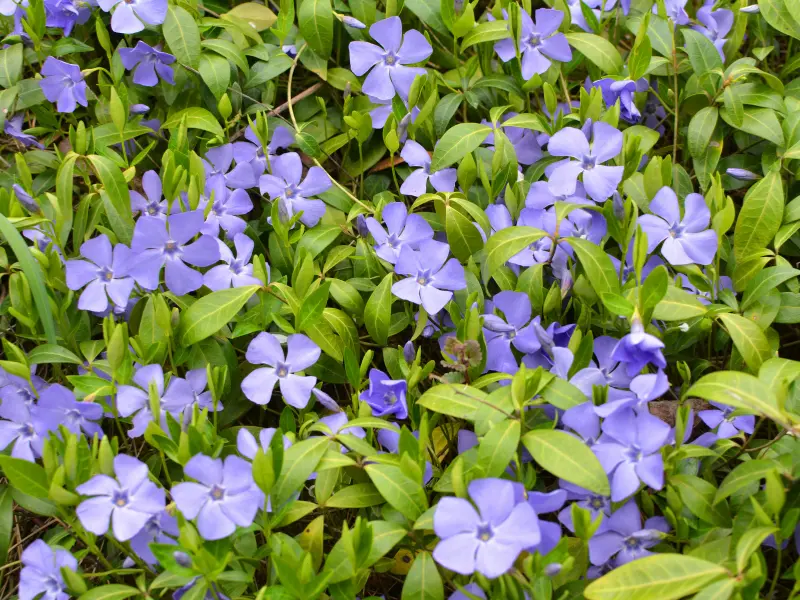
Vinca is incredibly tough. It has beautiful violet flowers and dark green, waxy leaves. However, a word of advice from a pro: check your local regulations. In some parts of the US, Vinca is considered invasive because it grows so well. If you have a contained area that needs covering fast, it’s a lifesaver, but keep it away from natural woodlands.
Read more: Vinca Minor (Periwinkle) Guide: The Ultimate Evergreen Ground Cover for Beginners
How to Plant and Maintain Your Ground Cover
Success with ground covers isn’t just about picking the right plant; it’s about how you start.
Soil Preparation: You must clear the weeds first. If you plant ground cover over existing weeds, the weeds will win. Use a layer of cardboard or organic mulch to smother weeds before you put your new plants in the ground.
Spacing: Don’t plant them too far apart if you want quick coverage. Most 4-inch pots should be spaced about 6 to 12 inches apart.
Watering: Even “drought-tolerant” plants need regular water for the first few months. Think of it as an investment; once their roots are deep, they will take care of themselves.
Common Mistakes to Avoid When Selecting Plants
I’ve made these mistakes so you don’t have to:
Ignoring Your Zone: A plant that thrives in Florida will likely shrivel in a Minnesota winter. Always check your USDA Hardiness Zone before buying.
Forgetting About Foot Traffic: Don’t plant delicate Sweet Woodruff in an area where your Golden Retriever runs every day. Stick to “stepables” like Creeping Thyme for high-traffic zones.
Neglecting Drainage: Most ground covers, especially Sedums, will rot if they sit in soggy soil. If you have heavy clay, add some compost or grit to improve drainage.
Summary and Next Steps:
Choosing the best ground cover plant is about matching the plant’s personality to your garden’s reality. If you want a fragrant, walkable path, go with Creeping Thyme. If you need to brighten a dark corner under an oak tree, Pachysandra or Ajuga are your best bets.
Stop fighting against your yard and start working with it. Pick one small area this weekend, maybe that patch by the driveway or the shade under the porch, and swap the dirt for a living carpet. You’ll be amazed at how much a little green can change the feel of your home.
Frequently Asked Questions (FAQs)
Which ground cover is best for heavy foot traffic?
Creeping Thyme and Irish Moss are the best “stepable” options. They are resilient enough to handle kids, pets, and occasional walking without losing their shape or health.
How long does it take for ground cover to fully fill in?
Most ground covers will take about one to two growing seasons to form a solid, weed-suppressing mat. This depends on how closely you space them at planting and how much water they receive initially.
Are there any ground covers that stay green all winter?
Yes. Evergreen varieties like Pachysandra, Vinca Minor, and certain types of Sedum or Creeping Phlox will maintain their foliage even in the snow, providing year-round interest.
Can ground cover really stop weeds from growing?
Once they are established and “filled in,” yes. They create a dense canopy that prevents sunlight from reaching the soil, which stops most weed seeds from germinating. However, you will need to pull a few stray weeds during the first year while the plants are still spreading.
Read more:
