
Plant Care Expert Guides
Grow Your Own Night Blooming Jasmine: The Ultimate Guide to Heavenly Fragrance
Jun
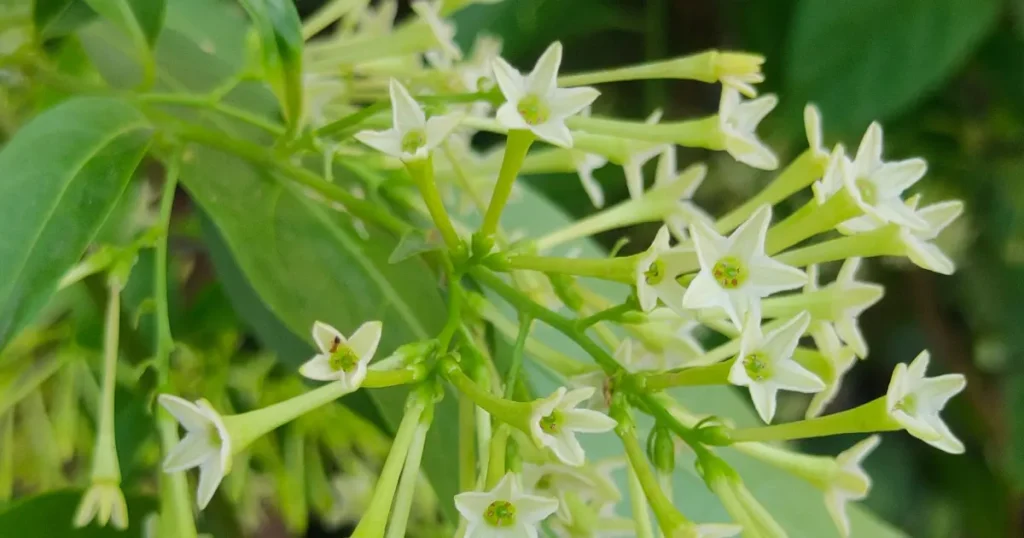
If you’ve ever taken a stroll through a neighborhood on a warm summer evening and suddenly found yourself wrapped in a scent so sweet, rich, and intoxicating that you had to stop dead in your tracks, you’ve likely crossed paths with Night Blooming Jasmine (Cestrum nocturnum).
These vigorous, glossy-green woody shrubs are the ultimate sensory treat for your garden. While other plants spend their energy putting on a loud show during the day, this subtle beauty waits until the sun goes down to work its magic. As twilight hits, its clusters of modest, greenish-white tubular buds open up and release a legendary, perfume-grade fragrance that can easily waft across your entire yard and right through your open bedroom windows.
Beyond the heavenly scent, Night Blooming Jasmine is a fast-growing, resilient shrub that is incredibly easy to manage once you know its basic preferences. Whether you want to plant a fragrant hedge along your patio or keep a specimen bush in a container on your deck, it is an absolute must-have for anyone who loves spending summer nights stargazing outdoors.
In this guide, I’ll walk you through everything you need to know, from the perfect sunny spot to the watering routine that keeps those fragrant blooms bursting all summer long. Let’s get your evenings smelling like paradise!
What is Night Blooming Jasmine?
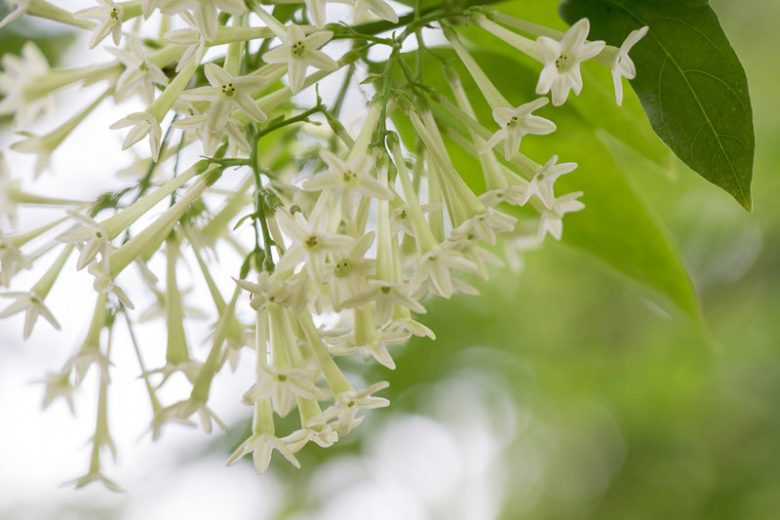
Despite its popular name, Cestrum nocturnum isn’t a true jasmine at all! It’s actually a member of the Solanaceae (nightshade) family, making it a cousin to tomatoes and peppers. But because its sweet scent rivals any true jasmine on earth, the name stuck.
Unlike everyday flowering shrubs that flaunt bright petals to attract bees by day, this plant relies on nocturnal moths for pollination. That’s why its flowers are small and understated, but heavily loaded with perfume.
A Quick Safety Note: Because it’s in the nightshade family, all parts of this plant—especially the glossy white berries that appear after blooming—are highly toxic to pets and humans. It’s a “sniff but don’t snack” plant, so place it somewhere safe from curious puppies or toddlers!
Planting Night Blooming Jasmine
Before you go hunting for this fragrant star online, let’s make sure you have the right “apartment” ready for it in your garden. Getting the soil and sun right today means a canopy of scent next season.
Choosing the Perfect Location
Night-Blooming Jasmine loves the spotlight. To get the maximum amount of flowers, pick a spot that gets full sun to partial shade—ideally at least 6 hours of direct sunlight daily. If you live in a region where the summer sun is absolutely scorching, it will happily appreciate a little bit of dappled afternoon shade.
Soil Requirements
This shrub isn’t a total “diva” about its soil, but it does insist on one thing: excellent drainage. It thrives in rich, loamy soil with a neutral pH (6.5 to 7.5). If your yard features heavy, sticky clay that holds water like a sponge, don’t panic. Simply blend in plenty of aged compost or coarse sand to fluff it up. It absolutely hates “wet feet” and will quickly drop its leaves if left drowning in soggy dirt.
How to Plant Step-by-Step
I remember helping my coworker plant her first potted Cestrum near her back porch last May. She was so worried about shock because the root ball looked fragile. Fortunately, these guys are tough cookies!
The Right Timing: Plant in late spring after all danger of frost has passed. You want the soil nice and warm.
The Dig: Dig a hole twice as wide as the nursery pot and exactly the same depth.
The Placement: Gently loosen the roots of your plant and set it in the hole. Make sure the top of the root ball sits flush with the ground level.
The Thirst-Quencher: Fill in with your soil-compost mix, press down gently to pop any air pockets, and give it a long, deep drink.
The Finishing Touch: Top the soil with a 2-inch layer of organic wood mulch to act like a cooling blanket, trapping moisture and keeping weeds from crashing the party.
Growing and Caring for Your Shrub
Watering for Abundant Blooms
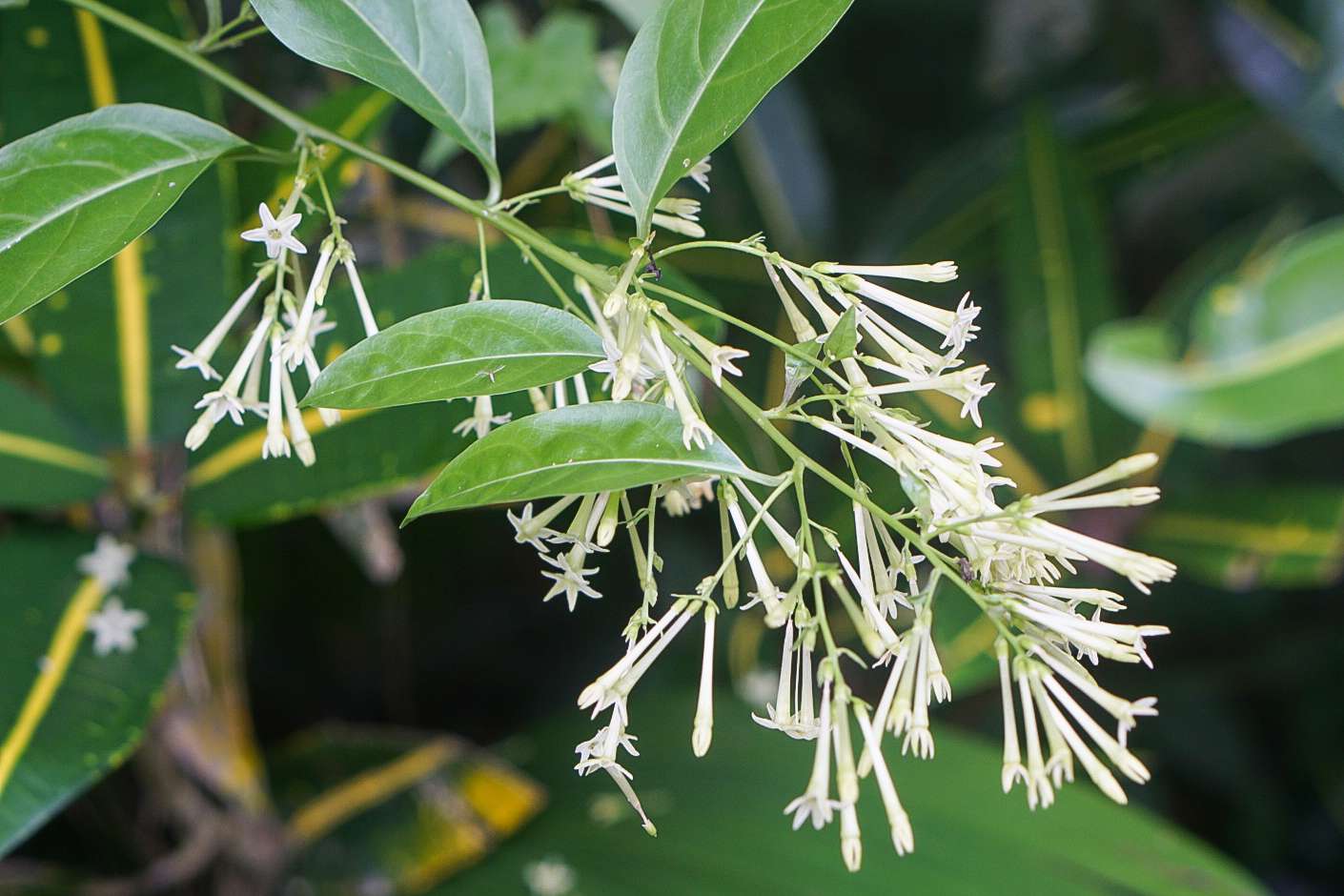
To keep those tubular flowers popping open night after night, you need to provide consistent moisture. During the peak summer growing season, aim for about an inch of water per week. My golden rule? Stick your finger two inches into the soil—if it feels bone-dry, it’s time to turn on the hose.
Feeding and Fertilizing
Night-Blooming Jasmine is a hungry plant because it grows fast. Every spring, as soon as you see new green shoots waking up, treat it to a well-balanced organic fertilizer or a generous side-dressing of compost. Feed it once a month through mid-summer to fuel the bloom cycles. Stop feeding by late August so the plant can slow down before winter.
Pruning to Keep It Tidy
Don’t be afraid of the shears! Left to its own devices, this plant can become a bit wild and leggy, growing up to 8 to 10 feet tall.
The best time to prune is in the fall, right after the final bloom cycle has finished. Cut the stems back by a third or even a half. This feels drastic, but it encourages a bushier, tighter growth habit and results in double the flowers next spring, since the blooms only form on fresh, new wood.
[Fall Pruning Guide]
Leggy, wild branches ---> Cut back by 1/3 to 1/2
Dead or crossing stems -> Remove completely (Boosts airflow)
Result -----------------> Thicker bush + twice the flowers next spring!
Potting and Repotting
If you live in a colder climate, growing Night-Blooming Jasmine in containers is the absolute best way to enjoy it. It is perfectly happy living the patio life!
The Pot Setup: Choose a large container (at least 5 to 7 gallons for starters) with plenty of drainage holes. Fill it with a high-quality, lightweight potting mix.
The Repotting Spa: Because it grows rapidly, it will likely exhaust its soil and become rootbound every 2 years. In early spring, give it a “spa treatment”—slide it out of the pot, gently trim the outer tips of the roots, shake off the old tired dirt, and move it up one pot size with fresh potting mix and a handful of compost.
Overwintering (The Frost Strategy)
Here is the plant’s true “Achilles’ heel”: it hates the freezing cold. Night-Blooming Jasmine is a tropical plant at heart (hardy only in USDA Zones 9 to 11).
If you live in the South: A light frost might nip the top leaves, but the established roots will survive in the ground and sprout back in spring. Just blanket the base with extra mulch.
If you live up North: Bring your potted jasmine indoors before the first autumn frost hits. Keep it in a bright, sunny window or an unheated garage that stays above 40°F. Cut back on watering significantly during winter—just enough so the soil doesn’t turn to dust—and let it rest until spring.
Troubleshooting Common Problems
Pests and Yellowing Leaves
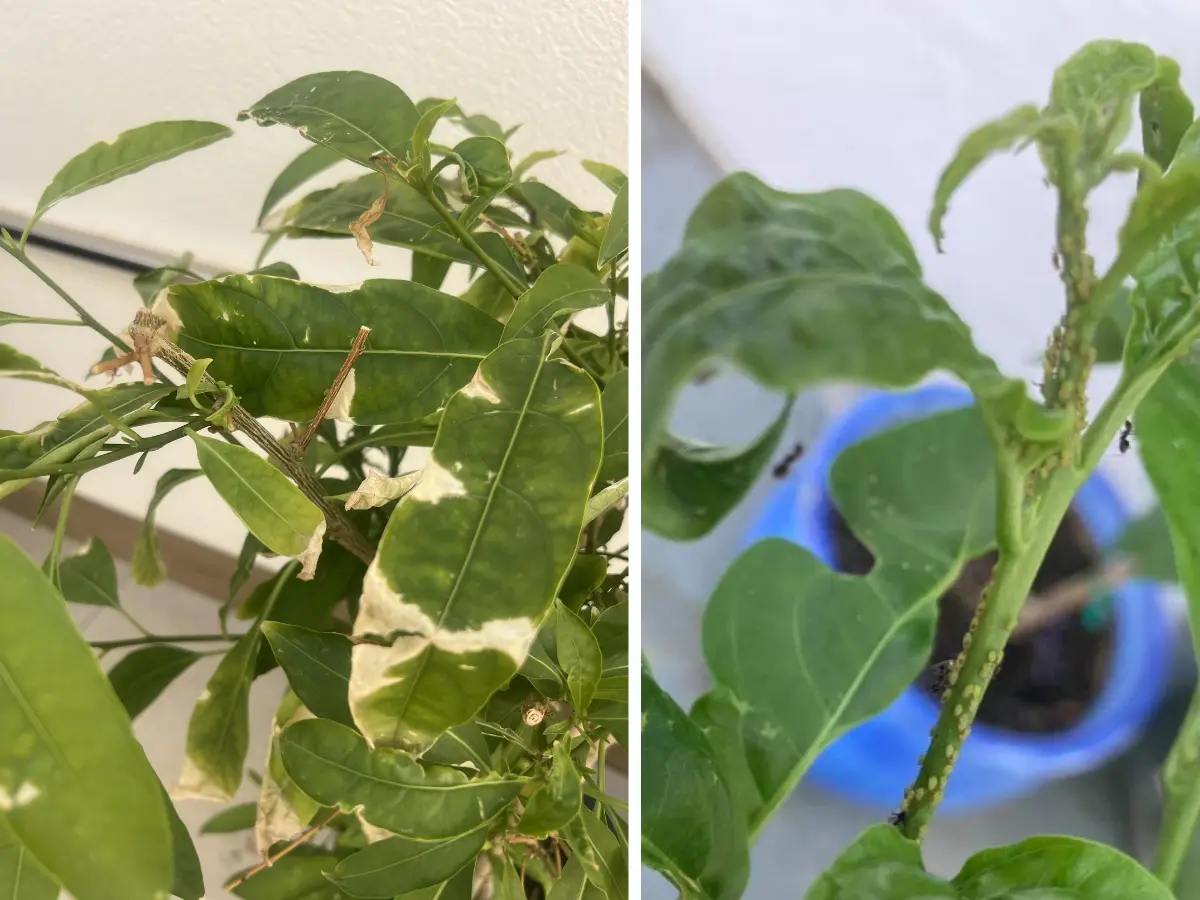
Aphids and Whiteflies: These tiny sap-suckers love the tender new growth of jasmine. If you notice sticky residue or curling leaves, hit them with a sharp blast from the garden hose or spray them with organic neem oil.
Yellow Leaves: If the leaves are turning a pale yellow but aren’t falling off, you’re either overwatering or the plant needs a nutrient boost. Let the soil dry out between waterings and feed it a balanced organic plant food.
The Mystery of the Zero-Scent Bush
“Sarah, my jasmine is blooming, but there’s absolutely no smell!” I hear this all the time. Don’t worry, your nose isn’t broken. Remember, this plant keeps a strict schedule. If you sniff the flowers at 2:00 PM, they will smell like absolutely nothing. Wait until the sun completely sets and darkness rolls in—that’s when the chemical magic happens and the fragrance turns on!
Frequently Asked Questions (FAQs)
1. How long does Night-Blooming Jasmine bloom?
It typically blooms in waves throughout the warmest months of the year—usually from late spring all the way through early autumn. It will flower for a few weeks, rest for a bit, and then burst into another fragrant cycle.
2. Can I grow Night-Blooming Jasmine completely indoors?
While it loves being outside for the summer air and full sun, you can keep it indoors year-round if you have a very bright, south-facing window or use a quality LED grow light. Without enough light, however, it will refuse to bloom.
3. How fast does it grow?
Incredibly fast! In a single warm summer season, a small nursery starter plant can easily shoot up into a 4-to-5-foot bush. This makes it an excellent choice for quick privacy screening on patios.
4. Why are the flower buds dropping before they open?
Bud drop is almost always a sign of stress. Check your soil, is it bone-dry or swampy? Inconsistent watering or a sudden, drastic drop in temperature can shock the plant into dropping its buds to save its energy.
Conclusion
Growing Night-Blooming Jasmine is one of the most magical ways to upgrade your home’s outdoor living space. It turns your garden into a secret, sensory paradise the moment twilight arrives, requiring very little fuss in exchange for its priceless perfume. By locking down a sunny spot, keeping the soil draining beautifully, and giving it a solid autumn trim, you’ll ensure your summer nights are filled with sweet, unforgettable fragrance year after year.
You may also like:
